Gold extraction from copper ores traditionally relies on cyanide leaching—a highly effective but increasingly controversial method due to its environmental and health hazards. As sustainability becomes paramount in mining, innovative cyanide-free alternatives are emerging. These solutions not only minimize ecological impact but also optimize gold recovery from complex copper ore matrices. This article provides an in-depth analysis of the fatal flaws of traditional cyanidation and systematically introduces the core advantages and applications of two alternative solutions: Copper-Tolerant Cyanide-Free Gold Collector(Kuangchong® Eco-Gold Reagent) and the Thiosulfate System, offering a comprehensive technical approach to treating copper-bearing gold ores.
The Technical Pitfalls of Traditional Cyanidation & Modern Environmental Requirements
For decades, sodium cyanide (NaCN) has been widely used in gold mining due to its relatively low reagent cost and mature processing technology. However, when applied to copper-bearing gold ores, it exhibits significant weaknesses:
- Copper interferes with conventional cyanidation
- Cyanide ions (CN⁻) bind 100x more strongly to copper (forming [Cu(CN)₄]³⁻) than to gold ([Au(CN)₂]⁻).
- Cyanide consumption becomes economically unfeasible
- Lab data confirms that 90% of cyanide is wasted when ore contains >0.5% Cu, while gold leaching rates often drop below 30%.
- High Toxicity & Regulatory Risks
- Transportation hazards: Requires hazardous chemical permits (especially in South America).
- Workplace dangers: Strict protective measures necessary (respirators, antidote stocks).
- Wastewater costs: Cyanide detoxification expenses can be 3-5x higherthan eco-friendly alternatives.
Following Brazil’s 2019 Vale dam disaster, South American governments have intensified cyanide restrictions, making compliance costs prohibitive.
Leading Cyanide-Free Alternatives
For copper-bearing gold ore leaching, Kuangchong® Eco-Gold Reagent(a patented cyanide-free solution for refractory copper-gold ores) is the optimal choice (especially suitable for South American copper-bearing gold ore types). For high copper content (Cu > 1%), a thiosulfate system can be considered, completely eliminating sodium cyanide (which has no practical gold leaching effect and is extremely wasteful and risky). Below are the best reagent solutions for different ore types, balancing gold extraction efficiency, copper suppression effect, and field operability:
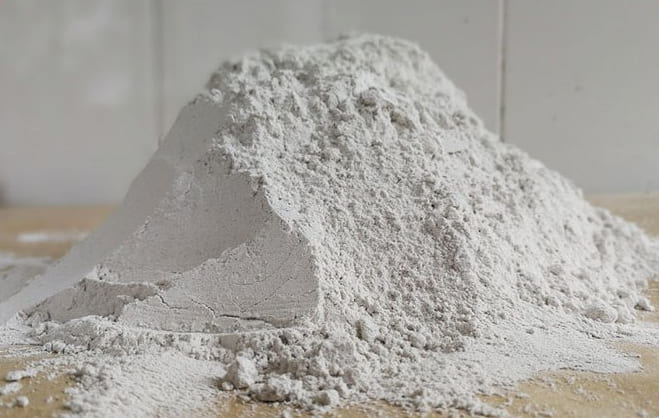
Core Recommendation: Kuangchong® Eco-Gold Extraction Agent (Suitable for 90% copper-bearing gold ore, Cu < 1.5%)
Best Suitable Scenarios
Copper-bearing oxide gold ore, roasted sulfide ore, copper content < 1.5%, heap leaching/pool leaching/carbon-in-pulp processes (no equipment modification required)
Key Advantages
It selectively leaches complexes only under alkaline conditions (pH 9.5~10), does not react with Cu(OH)₂ precipitation, and copper is almost not leached, resulting in no ineffective reagent consumption; it is a low-toxicity common chemical, requiring no special qualifications for storage and transportation/cross-border transport (suitable for Venezuelan logistics), and the waste liquid is easy to treat; the overall cost is far lower than sodium cyanide/thiosulfate.
Best Practices
- Ore Prep: Crush to -20mm, limit clay content <15%.
- Dosing: Dissolve agent 1:100(0.8–1.2 g/L optimal).
- pH Control: Use lime (CaO)to maintain pH 9.5–10.5.
- Enhancements:
- Add 05% coconut-shell activated carbonto prevent gold re-adsorption.
- Use intermittent irrigation(30min on / 90min off) to boost permeability.
On-site Results
Stable gold leaching rate (up to 85% or more in most ores), leaching cycle is 15%~30% shorter than sodium cyanide, resistant to interference from arsenic, sulfur, and carbon impurities, and can be directly replaced with sodium cyanide for operation.
High-Copper Ores Solution: Thiosulfate System (Suitable only for high-copper gold ores, Cu > 1.5%)
Applicable Scenarios
High-copper gold ores with copper content > 1.5%, requiring high gold extraction rates and equipped with ammonia recovery equipment.
Key Features
Ammonia-based system (pH 9~11) + copper ion catalysis, providing good selective leaching of gold from high-copper gold ores; cyanide-free and low toxicity; however, strict control of ammonia concentration and redox potential is required, resulting in slightly higher reagent consumption. Ammonia is volatile and requires recovery, making on-site operation more complex than with mineral pesticides.
Absolutely Prohibited: Sodium cyanide/Potassium cyanide
Core Issues
- Regardless of pH adjustment, cyanide ions have a much stronger complexing ability for copper than gold, preferentially leaching large amounts of copper, leading to instantaneous reagent depletion and almost no gold leaching.
- Its highly toxic nature imposes stringent storage and transportation/protection requirements, high cross-border transportation risks (especially in Venezuela), and extremely high environmental compliance costs, making it completely unsuitable for copper-bearing gold ores.
Key Supplement: Reagent Combination Tips (Further Improving Gold Extraction Rate)
- When using mineral traps, combine with a small amount of activated carbon (0.05%~0.1% by weight of ore). This can adsorb the leached gold complexes, preventing gold from being adsorbed by the slime and improving the recovery rate.
- When using thiosulfate in high-copper ores, adding ethylenediaminetetraacetic acid (EDTA) as a masking agent can further suppress copper ion interference and reduce reagent consumption.
In short, For non-high-copper copper-bearing gold ores, Kuangchong reagents are the only optimal solution; for high-copper gold ores, thiosulfate can be used as an alternative, and sodium cyanide does not need to be considered.
Economic & Environmental Benefits Comparison
Model: Processing 100,000t ore @ 1.2% Cu
Metric | Kuangchong Agent | Sodium Cyanide |
Reagent Cost | $250K ($2.5/kg) | $540K (3x consumption) |
Waste Treatment | $80K | $350K |
Gold Recovered | 862 kg (86.2%) | 387 kg |
Secondary Gains:
- 18% faster cash flow(shorter cycles)
- $120K/year saved(no cyanide insurance)
- 60% lower tailings closure costs
Future Trends & Innovation Roadmap
With major miners like Newmont and Rio Tinto investing in cleaner alternatives, cyanide-free extraction is transitioning from niche to necessity.
UN’s Minamata Convention and Responsible Gold Mining Principles are driving cyanide-free adoption:
- Bio-Chemical Hybrid Leaching: ferrooxidanspre-treatment → 93% Au recovery (lab).
- Smart Dosing AI: XRF real-time ore grading+ fuzzy PID control → 15–20% reagent savings.
- Next-Gen Copper Suppressors: Graphene quantum dots/ chelating resins (pilot tests in Chile).
Conclusion: The Industry’s Tipping Point
The gold industry’s green revolution isn’t coming—it’s already here. With tightening environmental laws and gold price volatility, Copper-Tolerant Cyanide-Free Gold Collector offers safer, cheaper, and higher-yielding gold extraction. We urge miners to conduct lab-scale trials and transition to sustainable alternatives tailored to their ore types.