Introduction
Mineral beneficiation is the backbone of modern mining, transforming raw ore into valuable concentrates through a series of meticulously designed processes. After crushing, screening, and grinding to liberate individual minerals, the pivotal stage of separation begins. Among the diverse separation technologies, magnetic separation and electrostatic separation are the two mainstream technologies that utilize differences in the physical properties of minerals for sorting. The corresponding core equipment is the magnetic separator and the electrostatic separator. The magnetic and electrostatic separators are indispensable in processing everything from ferrous and non-ferrous metals to rare earths and industrial minerals, serving as the “key separation equipment” in countless plants worldwide.
1. Magnetic Separators: Harnessing Magnetic Properties
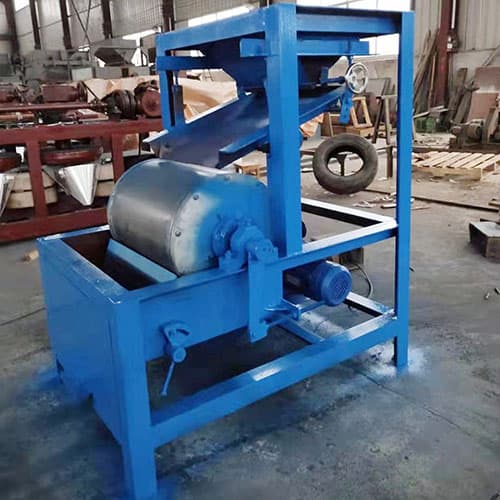
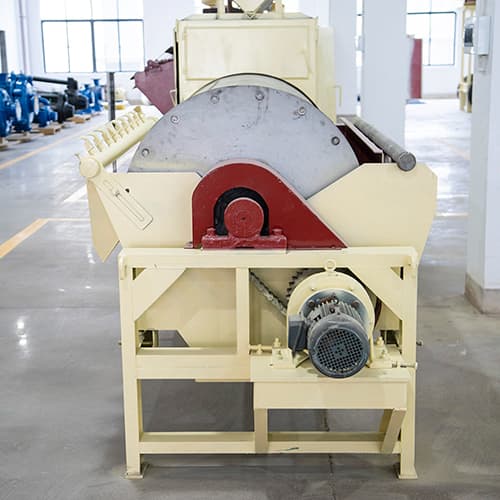
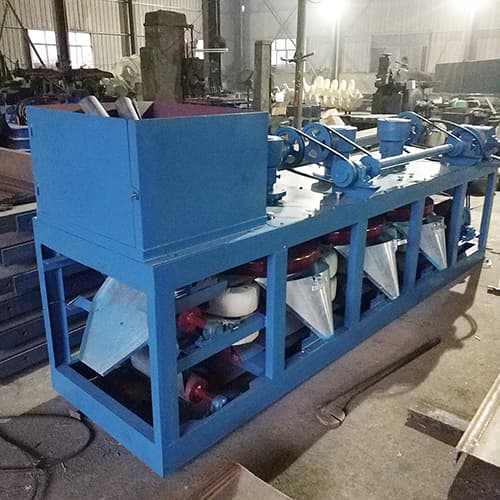
Magnetic separation is one of the most mature and widely used physical separation methods; its core principle is very simple: it takes advantage of the difference in magnetic properties between useful minerals and gangue to achieve separation in a magnetic field.
Principles
- Once the slurry enters the magnetic field zone of the magnetic separator, the mineral particles are subjected to the combined effects of magnetic forces, gravity, and fluid resistance.
- Strongly magnetic minerals are strongly attracted by the magnetic field, move with the rotating magnetic system to the non-magnetic zone, and then detach and are discharged, becoming concentrated.
- Weakly magnetic or non-magnetic minerals are not attracted by the magnetic field and are naturally discharged with the slurry flow, becoming tailings.
- The entire process is continuous, stable, and pollution-free, with high separation efficiency, making it the preferred method for separating minerals such as magnetite, pyrrhotite, and ilmenite.
Classifications
Classification by magnetic field strength
- Weak-field magnetic separators: These have low magnetic field strength and are specifically designed to separate strongly magnetic minerals, such as magnetite. They feature a simple structure and high processing capacity.
- Strong-field magnetic separators: These have high magnetic field strength and are used to separate weakly magnetic minerals, such as hematite, manganese ore, and limonite.
Classified by operating method
- Wet magnetic separators: Separate materials in a slurry, suitable for fine-grained materials after grinding, and are the most widely used.
- Dry magnetic separators: Separate materials in a dry powder state, suitable for water-scarce regions or for the pre-selection of coarse-grained materials.
Based on structural design, they can also be classified into drum, roller, and disc types, among which the wet permanent magnet drum magnetic separator is the most mainstream model. Another magnetic separator also includes
- Low-intensity magnetic separators (LIMS): Ideal for ferromagnetic materials like magnetite.
- High-intensity magnetic separators (HIMS): Used for paramagnetic minerals such as ilmenite and hematite.
- High-gradient magnetic separators (HGMS): Effective for fine, weakly magnetic particles.
Characteristics
- High efficiency for ferrous and some oxidic ores.
- Environmentally friendly, with no chemical reagents required.
- Relatively simple operation and maintenance.
Applicable Scenarios
It is primarily used for processing ferromagnetic ores such as magnetite, magnetohematite, ilmenite, manganese ore, and pyrrhotite, as well as certain rare-metal ores, and is virtually standard equipment in iron ore processing plants.
2. Electrostatic Separators: Leveraging Electrical Conductivity
Electrostatic separation is a method that utilizes differences in minerals’ electrical conductivity, dielectric constant, and electrothermal properties to achieve separation within a high-voltage electric field; it is classified as precision separation equipment.
Principles
When the material enters the high-voltage electric field, it becomes charged under the influence of the electric field:
- Minerals with good electrical conductivity quickly lose their charge or are attracted to the electrodes, causing their trajectory to deflect and fall into the concentrate trough.
- Minerals with poor electrical conductivity do not easily lose their charge and are not significantly affected by the electric field; they fall along their natural trajectory and become tailings.
The most distinctive feature of electrostatic separation is that it operates in a dry process without the use of water, making it particularly suitable for water-scarce and arid regions, as well as for the separation of moisture-sensitive minerals and fine-grained or flaky minerals.
Classifications
Classification by Electric Field Type
- Electrostatic Separators– These devices separate minerals based on differences in surface conductivity, using a high-voltage electric field to attract or repel charged particles. They are mainly used for concentrating conductive minerals (e.g., metals, graphite) from non-conductive gangue (e.g., quartz) and in applications like e-waste recycling and TiO₂ purification.
- Corona-Electrostatic Separators– Combining corona discharge (ionization) with electrostatic forces, these separators enhance precision for fine particles (0.1–1 mm). Adjustable settings allow selective recovery of minerals like zircon, rutile, and spodumene from ore or sand deposits.
- Triboelectric (Tribo) Separators– Instead of external electrodes, these rely on particle friction to generate charge, making them ideal for insulating materials (e.g., plastics, mica, fly ash). They are chemical-free, environmentally friendly, and widely used in plastic recycling and carbon recovery from waste streams.
- Dielectric Separators– These exploit differences in minerals’ dielectric constants, separating them in an oscillating electric field. They excel at sorting non-conductive minerals (e.g., diamonds, fluorite) with similar sizes but distinct electrical properties, such as in gemstone processing or industrial mineral separation.
Classification by Equipment Design
- Drum-Type Electric Separators– A common industrial design featuring a rotating drum and high-voltage electrodes (corona or electrostatic), used for continuous processing of coarse (0.5–5 mm) materials like heavy mineral sands.
- Plate-Type Electric Separators– Utilize parallel electrode plates for gravity-assisted separation, best for fine particles (0.1–0.5 mm) requiring high accuracy, such as specialized mineral refining.
- Airflow-Assisted Electric Separators– Combine aerodynamic dispersion with electric fields to handle ultrafine particles (<0.1 mm), often in closed-loop systems for dust-free, high-efficiency separation of fine powders.
Each type offers unique advantages based on mineral properties, particle size, and industrial requirements, making them essential in modern mineral processing and recycling.
Characteristics
- Dry processing generates no wastewater, offering significant environmental benefits.
- High sorting accuracy, particularly effective for fine-grained and flaky materials;
- Low energy consumption, pollution-free, and a simple process.
- Sensitive to differences in the physical properties of minerals, making it suitable for the fine sorting of complex and rare metal ores.
Applicable Scenarios
It is primarily used in the processing of rare-metal ores, non-ferrous metal ores, and non-metallic ores, and is also commonly used in tailings reprocessing and resource recovery; it is indispensable in the beneficiation of certain special minerals.
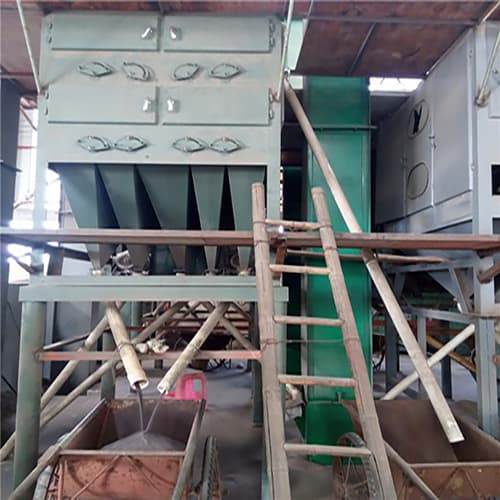
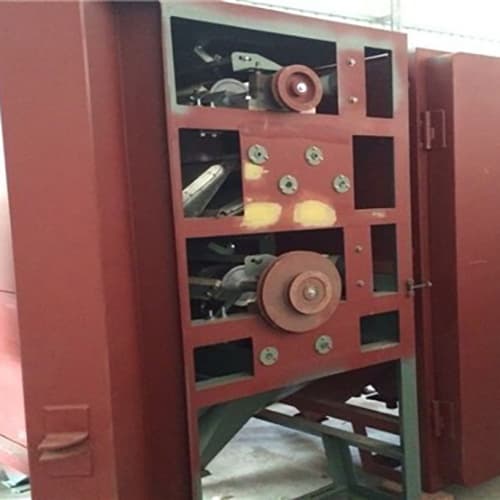
Magnetic Separation VS Electric Separation
| Parameter | Magnetic Separation | Electric Separation |
| Key Separation Principle | Differences in magnetic susceptibility | Differences in conductivity/dielectric properties |
| Processing Method | Predominantly wet processing (slurry-based) | Predominantly dry processing (no water needed) |
| Target Minerals |
|
|
| Main Advantages |
|
|
| Typical Applications | Large-scale, continuous mineral processing plants (e.g., iron ore beneficiation) |
|
| Limitations | Limited to magnetic minerals; ineffective for non-magnetic materials. | Requires dry feed; sensitive to particle size and moisture. |
| Synergistic Use | Often combined with electric separation in complex flowsheets for comprehensive recovery (e.g., beach sand processing: magnetite → magnetic sep; zircon/rutile → electric sep). |
Key Takeaways:
- No “superior” method—selection depends on ore characteristics and process requirements.
- Hybrid systems(magnetic + electric) maximize recovery in polymetallic deposits (e.g., heavy mineral sands).
- Electric separation excels in water scarcity or high-purity demands, while magnetic separation dominates in bulk processing.
General Selection Principles for Separation Equipment
Whether using a magnetic separator or an electrostatic separator, the selection follows three basic principles:
- First, select based on the physical properties of the minerals: use magnetic separation for magnetic materials, and electrostatic separation for materials with different conductivities.
- Second, select based on the particle size and concentration of the material: use wet magnetic separation for fine particles, and electrostatic separation for dry powder and fine particles.
- Third, select based on the on-site operating conditions: prioritize electrostatic separation for water shortages, and prioritize magnetic separation for large-scale, low-cost operations.
Correct selection is crucial to ensuring separation performance, recovery rate, and concentrate grade.
Conclusion
Magnetic and electrostatic separators are the unsung heroes of mineral beneficiation, enabling efficient, eco-friendly, and cost-effective extraction of valuable resources. Their adaptability across diverse ores—from bulk commodities to critical rare earths—makes them indispensable in modern mining. As technology advances, these separators continue to evolve, driving sustainability and innovation in the mining industry. For any mineral processing plant, selecting the right separation method isn’t just a technical choice; it’s the key to unlocking the full potential of ore deposits.