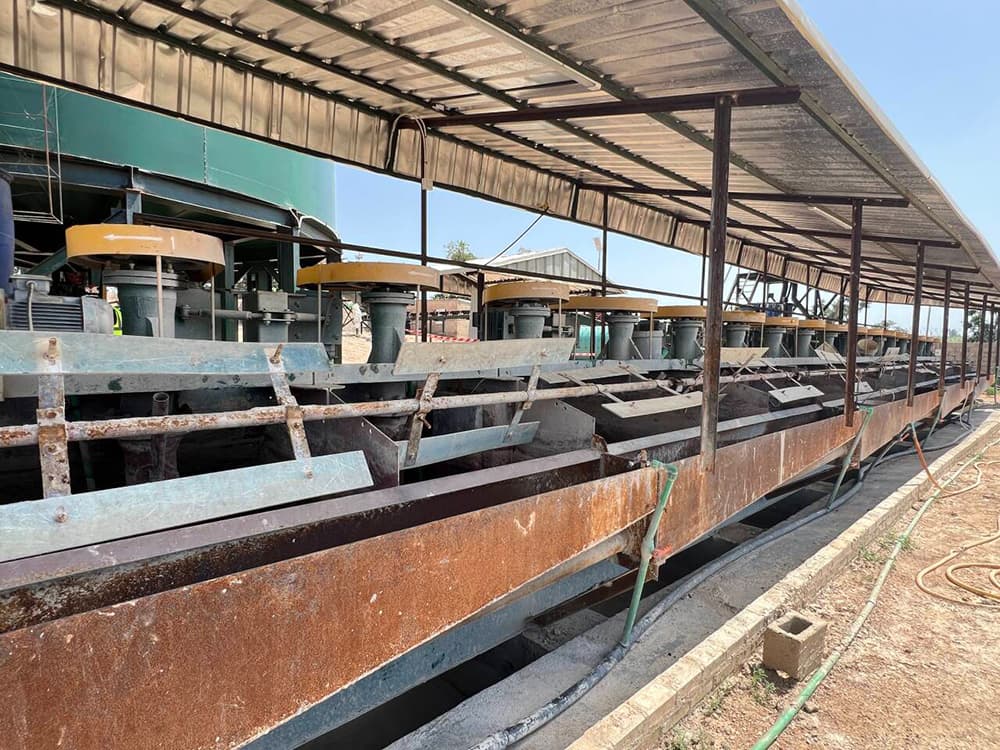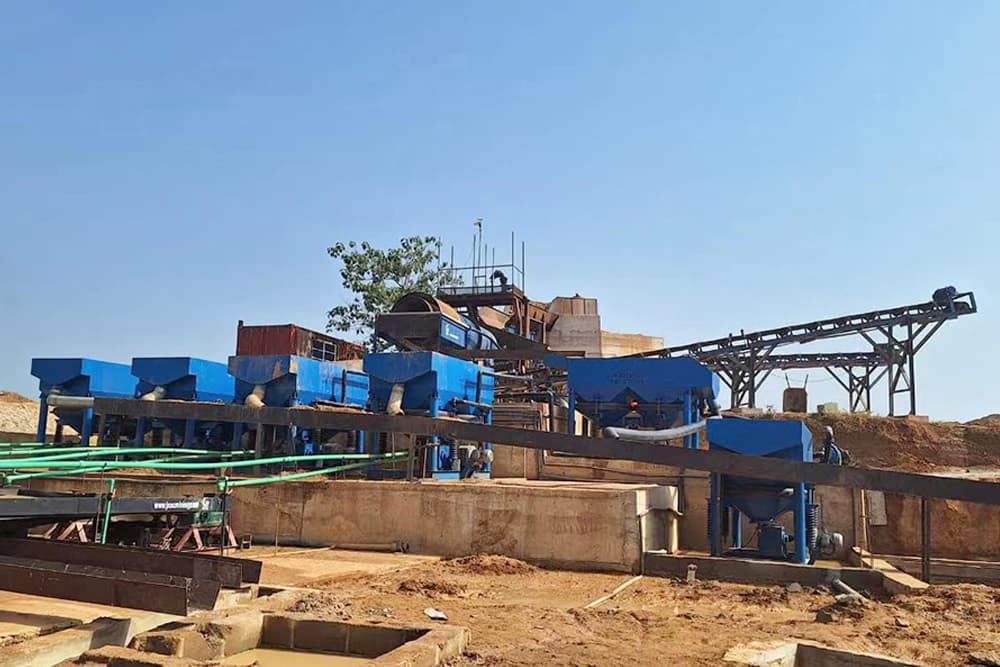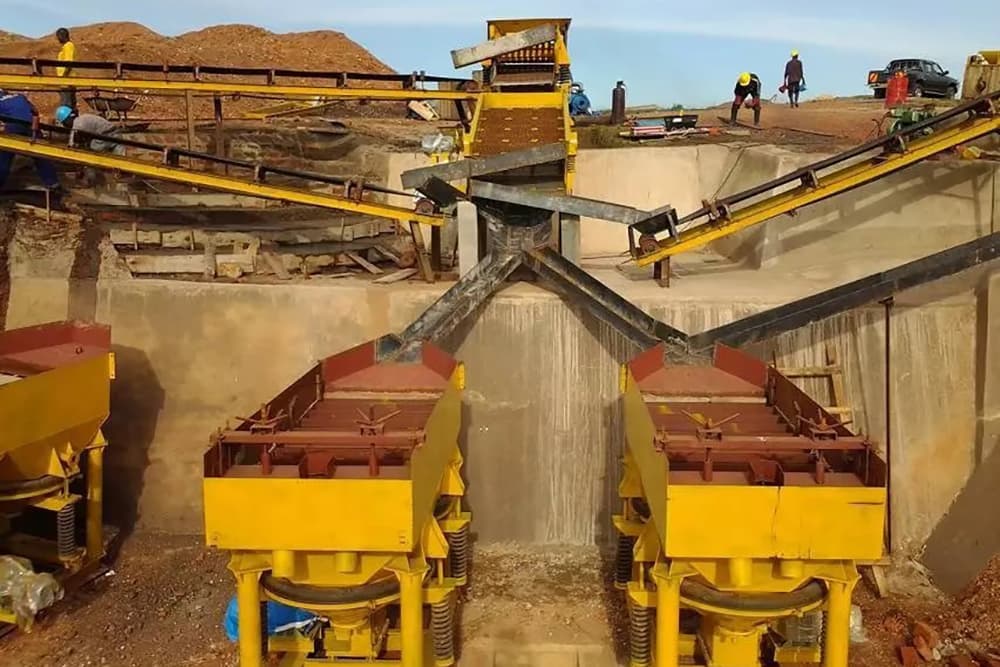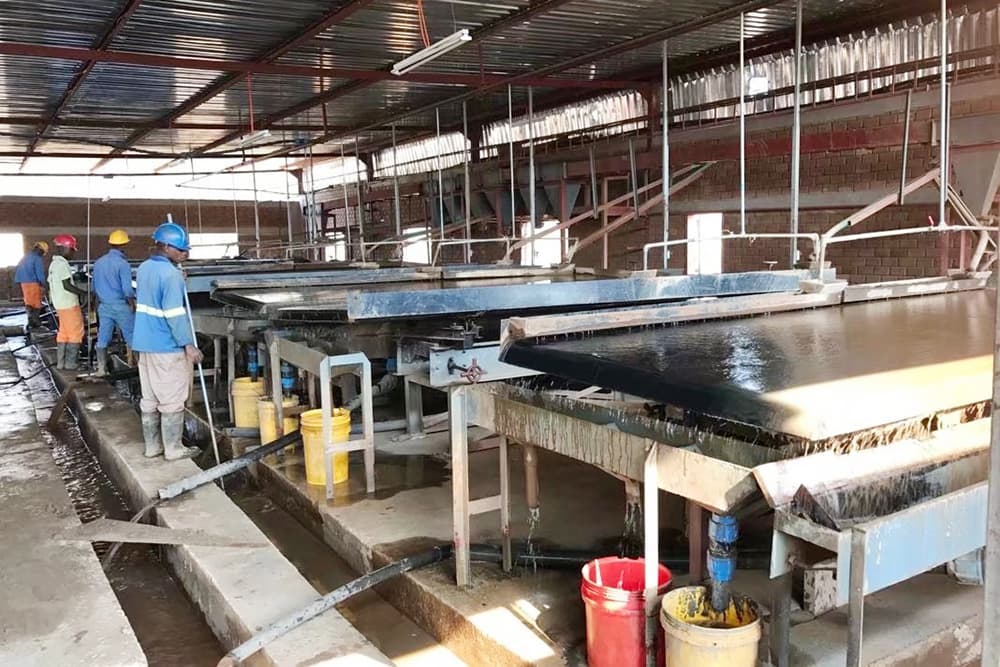
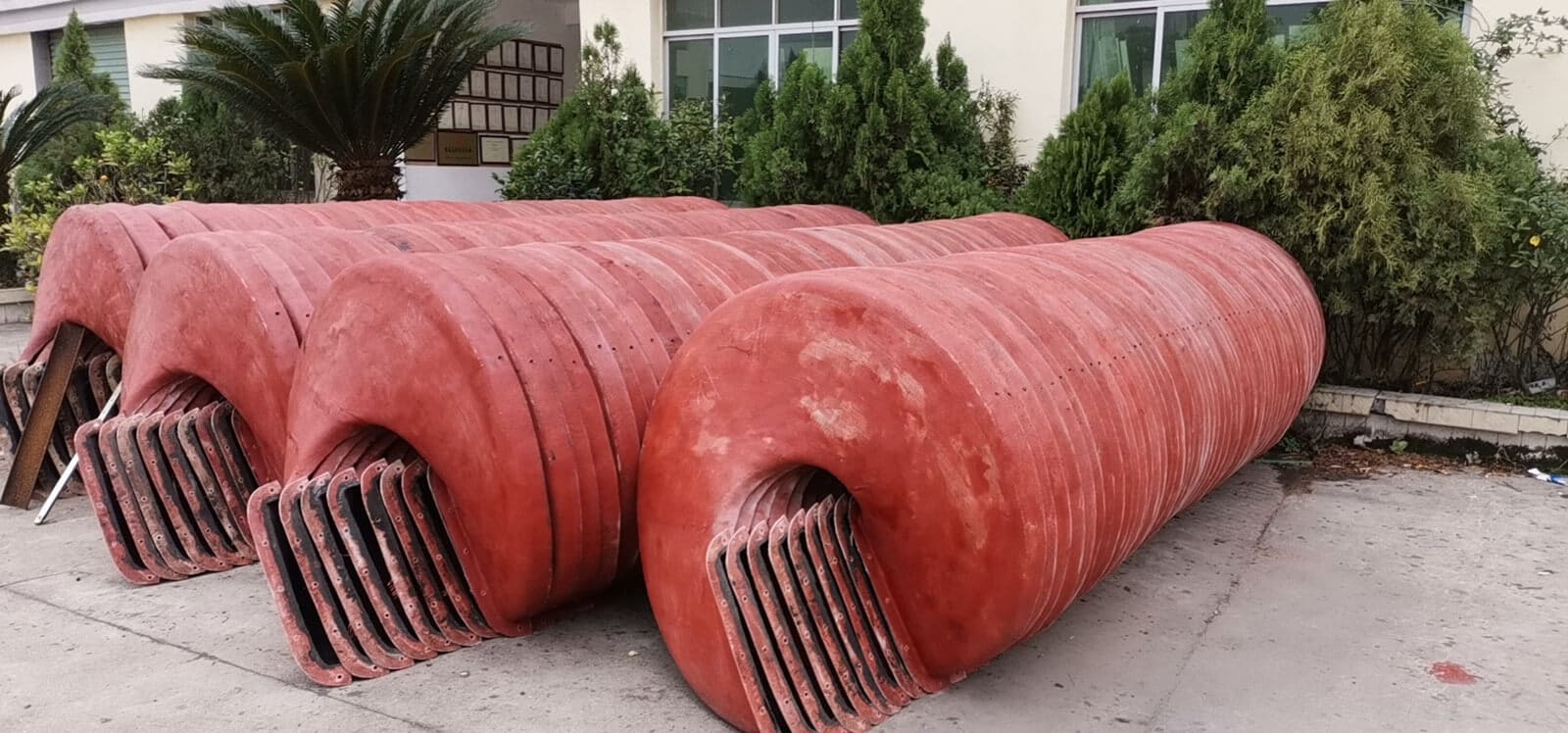
Feeding Material: Rock Zinc Lead Ore
Raw Ore Condition: Zinc lead concentrate particle size is 0- 2 mm.
Max Feed Size: 250 mm
Capacity: 10 tph(The client required a processing capacity of 10 tons per hour, with the possibility to upgrade to 20 TPH in the future.)
Process Description
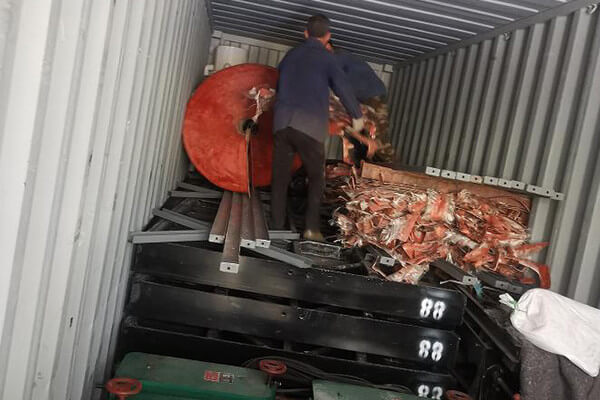
JXSC has supplied a complete set of mineral processing equipment and accessories for a 10 TPH zinc-lead ore processing plant in Morocco. The client, an experienced mining operator, will handle the installation independently but requires our expertise in system design, equipment selection, and technical documentation to ensure efficient recovery of zinc-lead concentrate.
Client Background and Requirements
The Moroccan client processes hard rock zinc-lead ore with a max feed size of 250 mm, targeting a final concentrate particle size of 0- 2 mm. Key priorities include:
- Low maintenance & simple operation – Suitable for remote mining conditions.
- Future scalability – Designed for potential expansion to 20 TPH.
- Utilization of natural elevation – Optimized layout to take advantage of the site’s height difference.
Technical Requirements
1. Material Composition
- Ore Type: Rock-hosted zinc-lead deposit (hard, abrasive material)
- Feed Size: Up to 250 mm (primary crushing required)
- Target Product: 0-2 mm concentrate (optimized for downstream processing)
2. Plant Specifications
- Capacity: 10 TPH (expandable to 20 TPH with minor modifications)
- Customized Layout: Gravity-based flow to minimize energy use
- Key Equipment: Robust jaw crusher, hammer mill, and gravity separation units(spiral chutes, shaking tables)
- Low Maintenance Design: Simplified machinery for easier servicing
3. Client’s Capability
- Self-sufficient in installation & commissioning
- Relies on JXSC for:
- Complete equipment supply
- Plant layout & foundation drawings
- Remote technical support if required
Key Focus
- Efficient Rock Reduction: Ensuring optimal crushing for high-grade concentrate
- Scalability: Future capacity increase without major redesign
- Minimal Power Consumption: Leveraging natural elevation for gravity-based processing where possible
- Easy Maintenance: Simple, reliable machinery for long-term operation
Our Process Design & Solution
The process is as follows
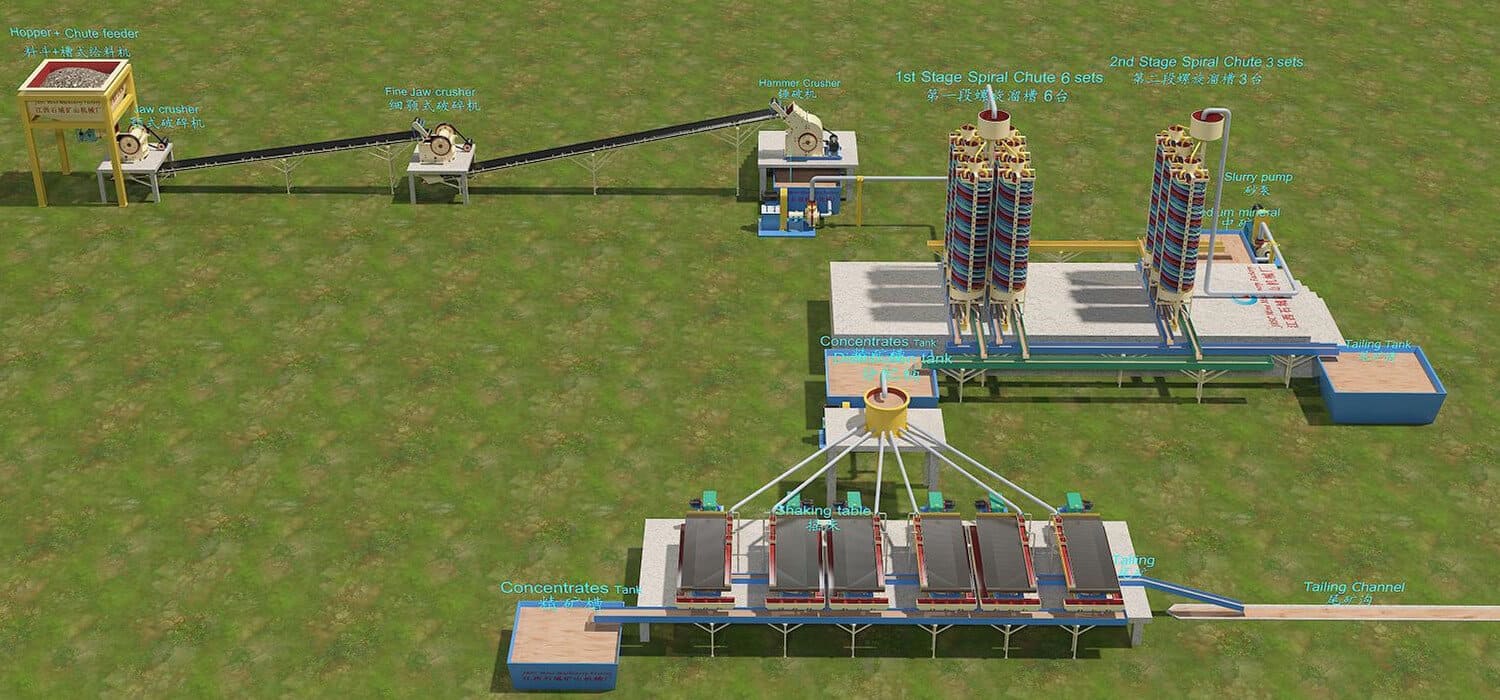
Stage 1: Primary & Secondary Crushing (Jaw Crusher → Fine Crusher)
Chute Feeder (Controlled Feeding) ensures a steady, regulated flow of raw ore (≤ 250 mm) into the jaw crusher, preventing blockages and optimizing throughput.
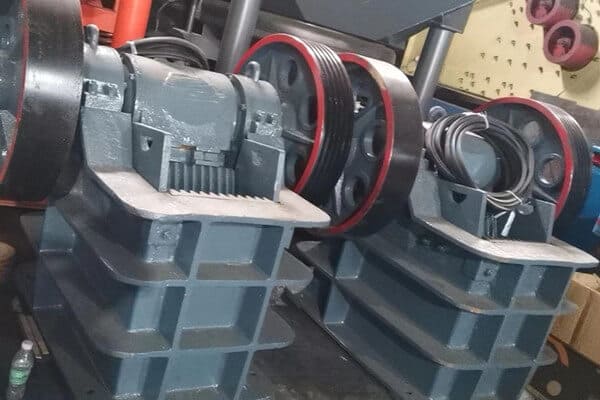
Jaw Crusher (“Coarse Reduction”) Acts as the primary size reducer, breaking down large rocks (≤ 250 mm) into medium-sized fragments (30- 50 mm) for further processing.
Fine Crusher (“Secondary Breakdown”) processes the jaw crusher’s output to smaller particles (5- 10 mm), preparing the material for final grinding.
Stage 2: Fine Grinding & Liberation (Hammer Crusher)
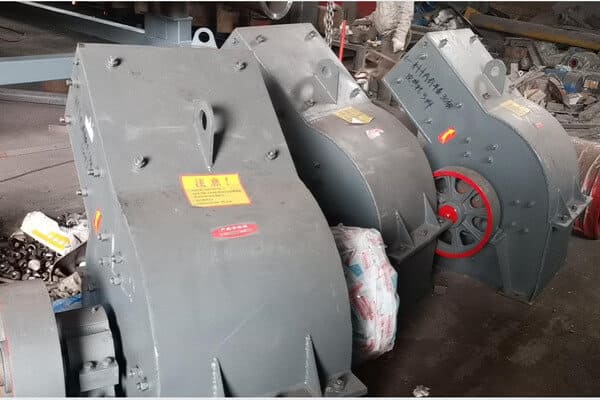
- Hammer Crusher (“Gold & Lead-Zinc Liberator”) pulverizes the ore to 0- 2 mm, fully releasing zinc-lead concentrate particles from the host rock.
- Critical for recovery: Ensures maximum mineral exposure for subsequent gravity separation.
Stage 3: Gravity Concentration (Spiral Chute → Shaking Table)
Spiral Chute (“Preliminary Enrichment”) separates heavier zinc-lead particles from lighter gangue by density, producing a medium-grade pre-concentrate.
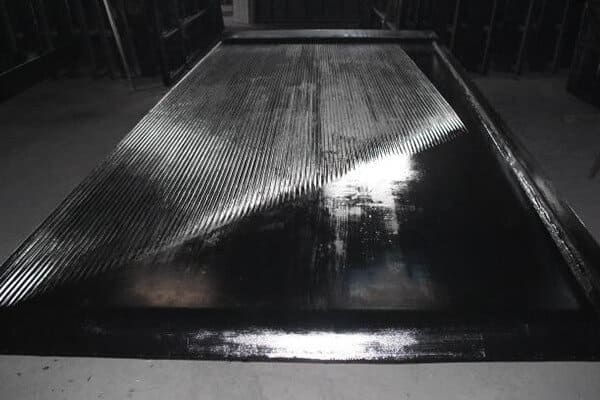
Shaking Table (“Final Upgrade”) Further refines the spiral chute’s output by precisely separating high-grade concentrate (0- 2 mm) from residual waste, significantly boosting recovery rates.
Key Advantages of This Design
- Streamlined for Hard Rock: From 250mm → 0-2 mm in 3 efficient stages.
- Maximized Mineral Exposure: Hammer crusher ensures complete liberation.
- Gravity-Focused Recovery: Uses density differences for high recovery with low energy costs.
- Scalable Layout: Modular setup allows future expansion to 20 TPH with minimal adjustments.
The Main Machines & Accessories Include The Following:
- Chute Feeder
- Jaw Crusher
- Fine Jaw Crusher
- Hammer Crusher
- Spiral Chute
- Shaking Table
- Belt Conveyors
- Water Pumps & Slurry Pump
Customer Questions & Our Answers
1. What final concentrate grade can be achieved?
The concentrate grade depends on the raw ore’s initial quality. Our system typically upgrades zinc-lead ore to ≥60% concentrate purity, verified through lab tests of the customer’s specific material.
2. Why select a hammer crusher over a ball mill?
- Optimized Particle Size: Crushing to 0- 2 mm (vs. a ball mill’s <1 mm) balances liberation efficiency and recovery rates for lead-zinc minerals.
- Test-Validated: Our trials showed overgrinding reduces recovery—this ore’s optimal liberation occurs at 2mm.
- Cost & Simplicity: Hammer crushers offer lower energy use and easier maintenance than ball mills.
3. Why use a spiral chute before the shaking table?
- Throughput Match: A single shaking table processes 1–2 TPH; the spiral chute first enriches bulk ore (10 TPH) to reduce downstream equipment needs.
- Efficiency Boost: Pre-concentration via spiral chute improves shaking table performance by removing 60–70% of waste early.
4. What are the equipment warranty terms?
Coverage: 12-month warranty from equipment arrival at the Morocco port (excluding wear parts).
Support Policy:
▶ Free troubleshooting via remote guidance.
▶ Priority shipment of spare parts (wear parts quoted separately).
▶ Replacement parts require JXSC approval to ensure compatibility.
5. Why combine spiral chute + shaking table?
This “roughing-concentrating” duo leverages:
- Spiral Chute: High-capacity bulk pre-enrichment (low cost/T).
- Shaking Table: Precise grade refinement (high recovery of 0-2 mm concentrate). Result: Maximized recovery (+5–10% vs. single-stage methods) and reduced operating costs.
6. What if we need on-site engineers?
Costs:
▶ $150/engineer/day (2 engineers recommended).
▶ Round-trip flights + visas + accommodations.
Timeline: 1–2 months (site prep-dependent). Note: Morocco’s terrain allows self-installation using our detailed manuals to save costs.
7. Are operating manuals provided?
Yes. With order confirmation, you’ll receive:
- Full equipment manuals (installation/operation/troubleshooting).
- Customized drawings: Plant layout, foundations, and machine schematics.
- Lifetime remote support for adjustments/upgrades.