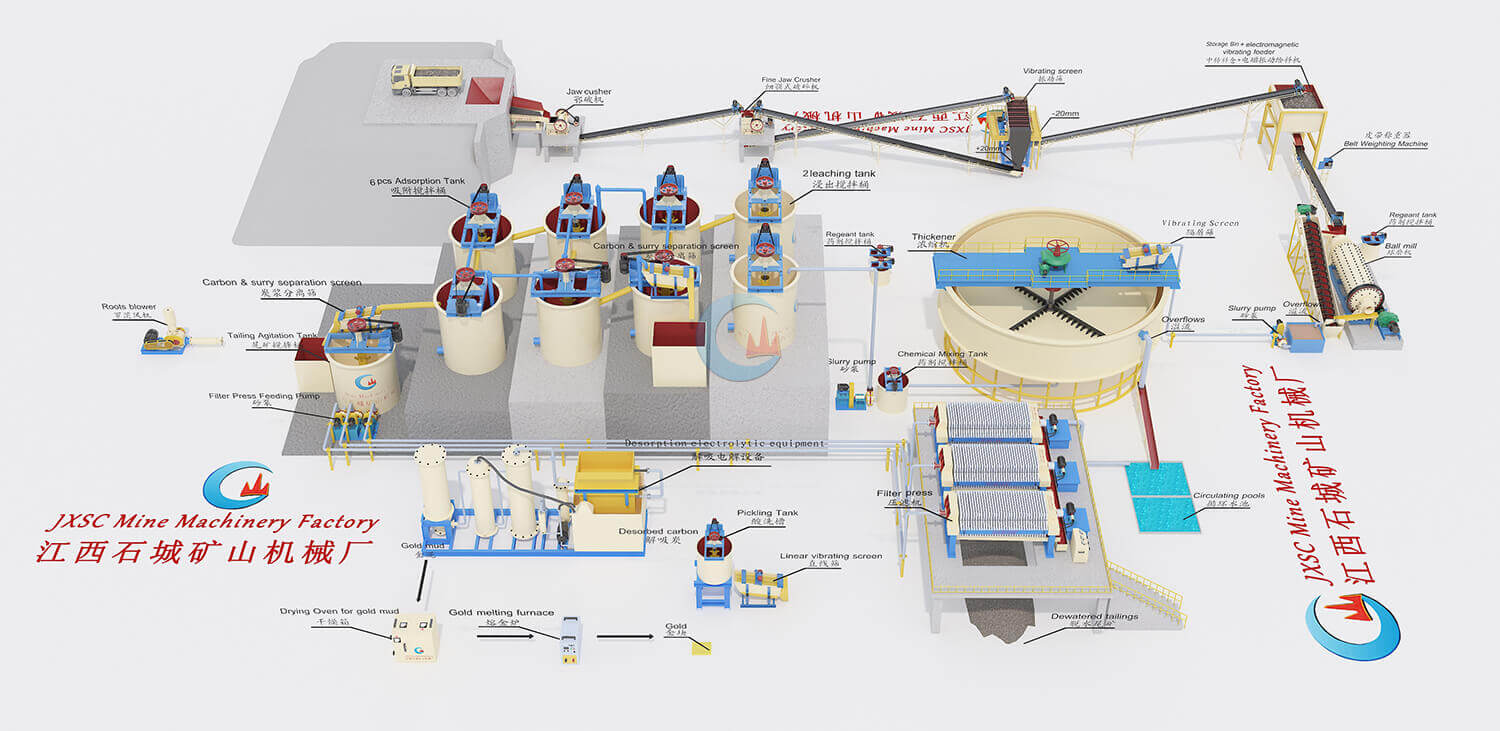
Feeding Material: Rock Gold Ore
Max Feed Size: 340 mm
Capacity: 200 tpd
Project Location: Burkina Faso
Processing Method: Crushing, Grinding, Cyanide Leaching, and Activated Carbon Adsorption
Process Description
JXSC has supplied a complete set of mineral processing equipment and accessories for a 200 TPD rock gold CIL process plant in Burkina Faso. We offer the detailed layout design with base construction drawings accordingly.
Client Background and Requirements
The client operates a gold mining operation requiring a Carbon-in-Leach processing plant to efficiently extract gold from hard rock ore. The plant must adhere to strict environmental regulations while maximizing gold recovery and operational efficiency.
- Crushing: 8–10 hours/day (batch processing).
- Grinding/Leaching: 24-hour continuous operation.
- The client emphasizes minimal environmental impact, requiring:
- Zero discharge of cyanide-containing effluent (via recycling or neutralization).
- Energy-efficient equipment (e.g., high-performance pumps, optimized grinding).
Our Process Design & Solution
The process flowchart is as follows
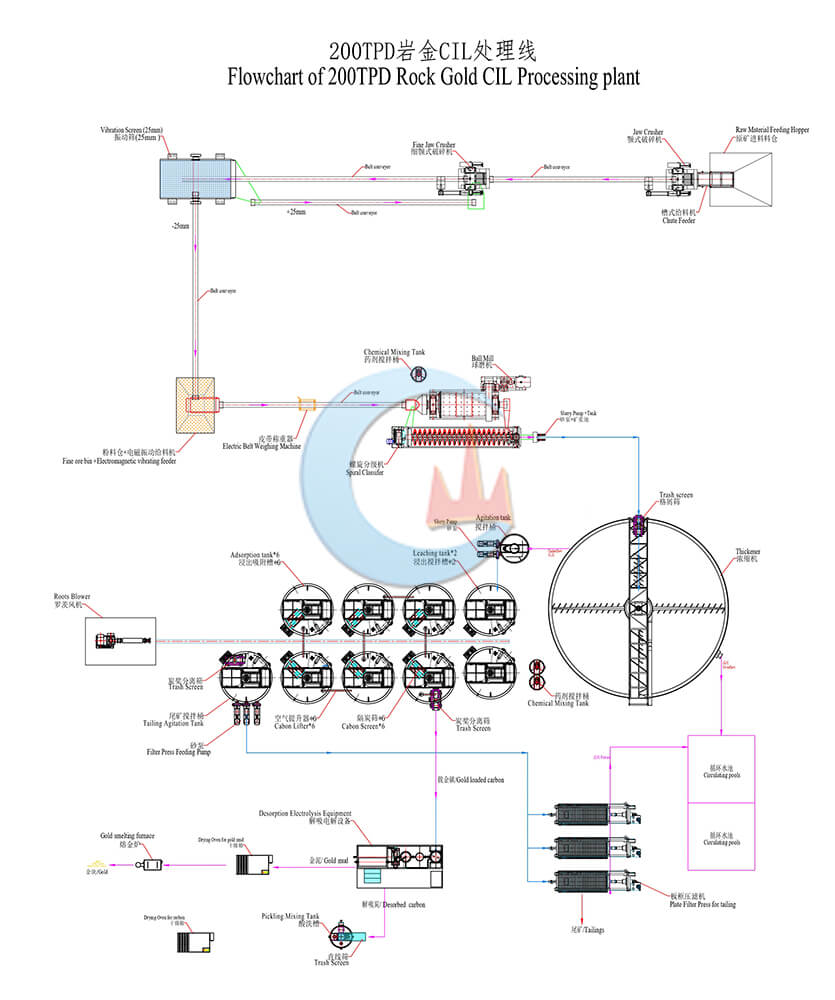
The main processing flow of this 200 tpd rock gold CIL plant is as follows:
Raw Ore Feeding → Primary and Secondary Crushing → Screening → Ball Mill Grinding → Spiral Classification → Thickening and Leaching Pretreatment → CIL Leaching and Adsorption → Gold-Loaded Carbon Desorption and Electrowinning → Gold Smelting
1. Feeding and Crushing System
The feeding and crushing system is designed to operate approximately 8–10 hours per day.
- A loader or excavator feeds the raw gold ore into the feed hopper. A chute feeder installed beneath the hopper regulates the ore flow and delivers the material evenly to the primary jaw crusher. The hopper can be fabricated and installed according to the actual site conditions.
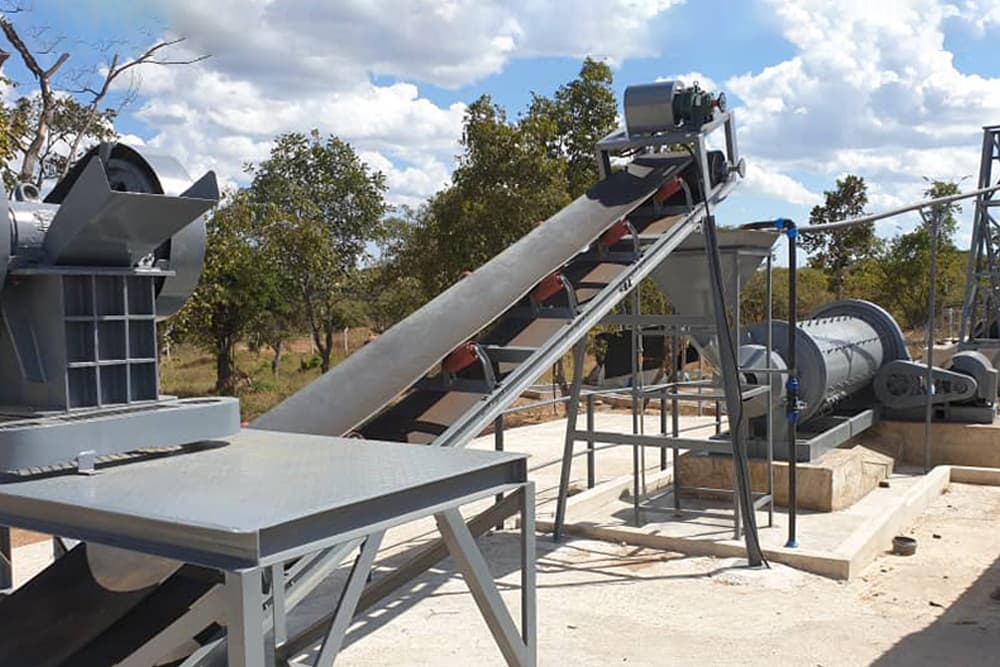
- The primary jaw crusher reduces large rocks with a maximum feed size of approximately 340 mm to less than 100 mm. The crushed material is then transported by a belt conveyor to the secondary jaw crusher, which further reduces the ore to below 25 mm.
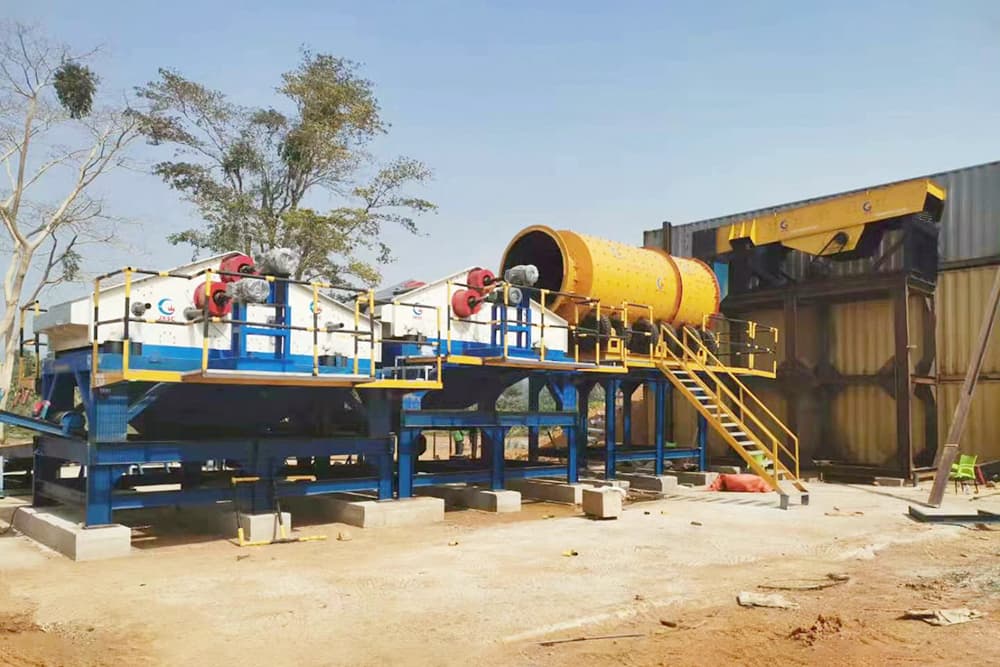
- The crushed ore is transferred to a vibrating screen for size classification. Material larger than 25 mm is returned to the secondary crusher for further crushing, while material smaller than 25 mm passes through the screen and is conveyed to the storage hopper before the ball mill.
- An electromagnetic vibrating feeder installed beneath the storage hopper provides controlled, uniform feeding to the grinding system. This arrangement helps maintain a steady feed rate and supports continuous operation of the downstream equipment.
2. Grinding and Classification System
The grinding and classification system is designed to operate 24 hours per day to meet the plant’s daily processing target.
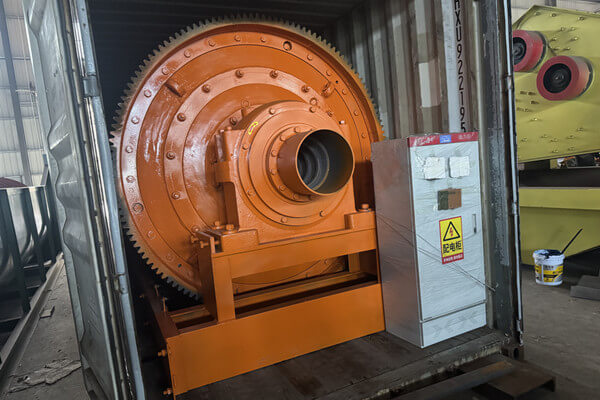
- The crushed ore is fed into a ball mill, where it is ground into fine particles to liberate gold from the surrounding rock minerals.
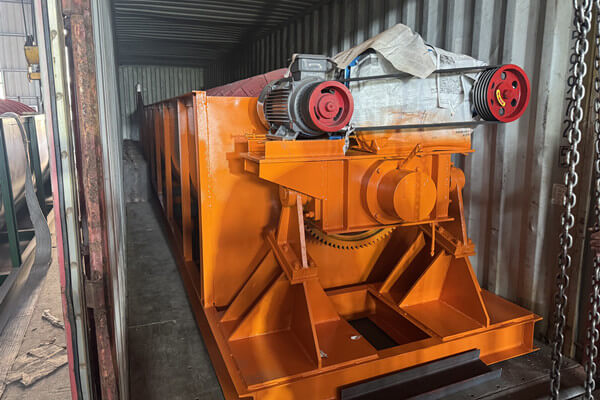
- The ground slurry is then discharged to a spiral classifier for particle-size separation. Coarse particles settle and return to the ball mill for further grinding, while the finer overflow proceeds to the next stage of processing.
3. Leaching Pretreatment System
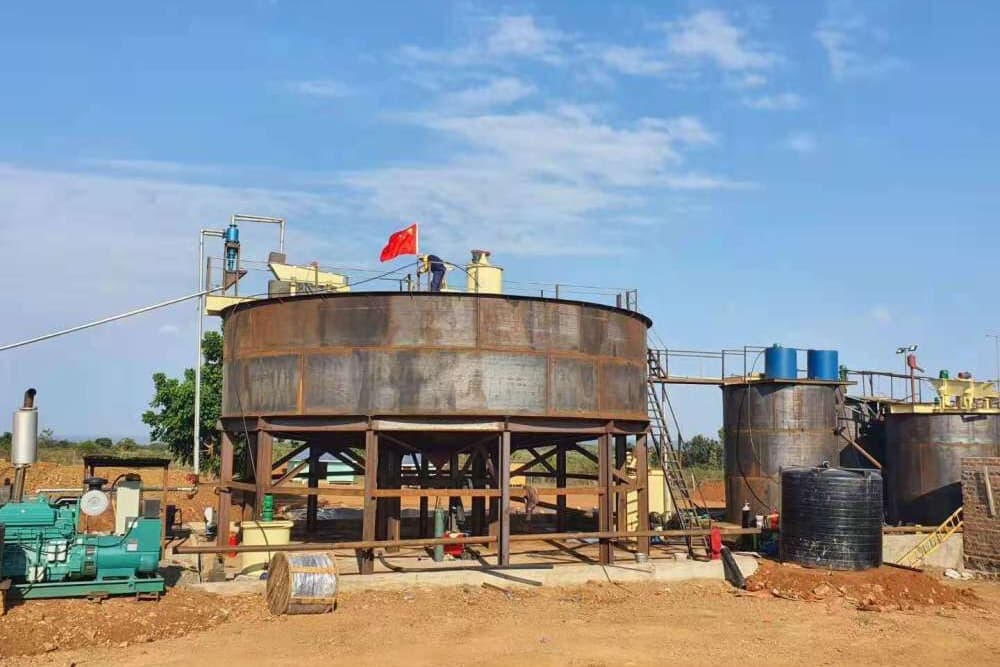
- After classification, the fine slurry is pumped to a thickener for pretreatment before entering the leaching circuit.
- A safety screen is installed ahead of the thickener to remove unwanted coarse particles and debris that could interfere with downstream equipment. The screened slurry then enters the thickener, where flocculant is added as required to promote solid-liquid separation.
- The thickener overflow is directed to a settling pond or process-water recovery system. After suitable treatment and clarification, the recovered water can be returned to the plant for reuse.
- The thickener underflow, which contains a higher concentration of solids, flows into a mixing tank. A slurry pump then transfers the material to two pre-leaching tanks, where the slurry is conditioned and the required process reagents are added according to the metallurgical test results and operating requirements.
This stage helps prepare the slurry for the subsequent carbon-in-leach process by establishing suitable operating conditions for gold dissolution and recovery. It also operates 24 hours per day.
4. CIL Leaching and Activated Carbon Adsorption System
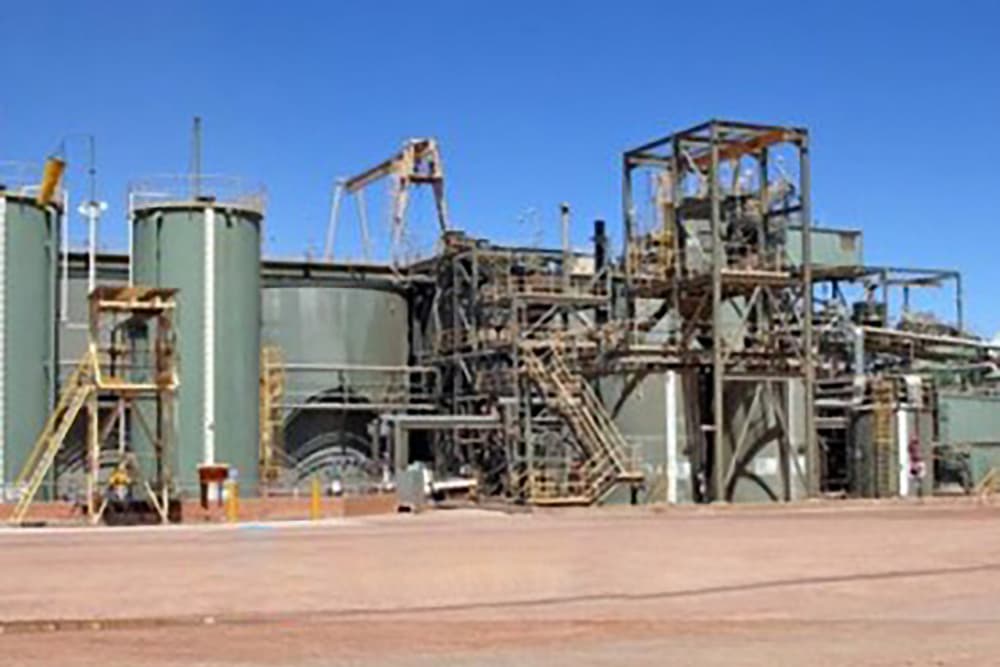
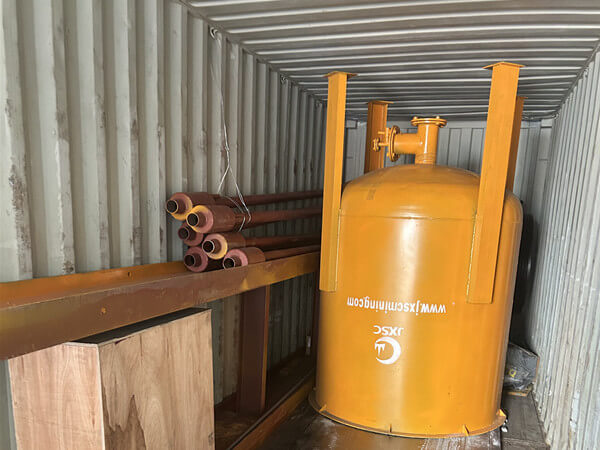
The core gold recovery stage consists of six double-impeller agitation and adsorption tanks equipped with activated carbon. A Roots blower supplies air to support the required agitation and aeration conditions.
- In the CIL process, cyanide-based leaching solution is used to dissolve gold from the prepared ore slurry. Activated carbon is present in the leaching tanks to adsorb the dissolved gold directly from the slurry, combining leaching and adsorption within the same processing circuit.
- The agitation system maintains contact between the slurry, reagents, and activated carbon, helping promote effective mass transfer. The activated carbon adsorbs dissolved gold as the slurry passes through the tank circuit.
- The gold-loaded carbon is periodically separated from the slurry using an appropriate carbon recovery screen and transferred to the desorption and electrowinning stage. The treated slurry proceeds to the tailings management system.
5. Gold-Loaded Carbon Desorption and Electrowinning System
- After adsorption, the gold-loaded carbon is separated from the slurry using a safety screen and transferred to the desorption and electrowinning system. The proposed configuration uses a normal-temperature, normal-pressure desorption and electrowinning system.
- During desorption, gold is removed from the activated carbon and transferred into a concentrated solution. The gold-bearing solution then enters the electrowinning unit, where an electrical current is used to recover the gold onto suitable cathodes or collection media.
- The recovered gold-bearing material is collected as gold mud or sludge. It is subsequently dried in a drying oven and smelted in a gold smelting furnace to produce gold bullion.
This stage completes the main gold recovery process, converting gold adsorbed on activated carbon into a smelted product.
6. Activated Carbon Washing System
- There is a picking mixing tank. Hydrochloric acid will be added to the mixing tank to soak and pickle the activated carbon; this step will wash off the materials that block the holes on the surface of the activated carbon.
- Then the activated carbon can be reused again in the leaching and adsorption tank; generally, it can be washed and reused for up to 3 to 4 times.
- And then, there is a drying kiln used for drying the activated carbon.
7. Tailings Treatment and Process-Water Recycling System
- The slurry discharged from the six CIL agitation tanks is first directed to a linear vibrating screen to remove coarse impurities and other oversized materials. The undersize slurry then enters a tailings mixing tank, where the slurry conditions are adjusted before filtration.
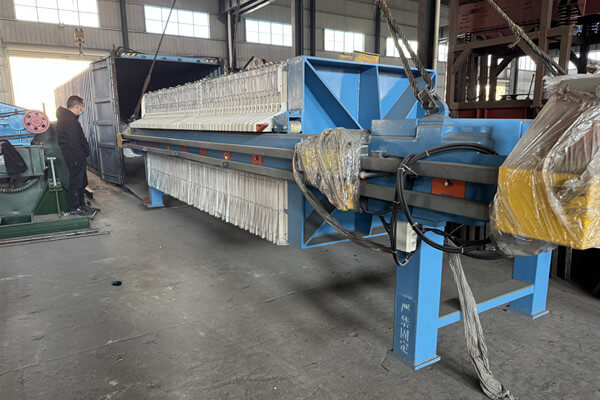
- A filter-feed pump transfers the slurry to filter presses. During filtration, solids are retained as filter cake while the filtrate is collected for further clarification and reuse.
- The recovered water is directed to a settling pond or suitable water-treatment system. After the required clarification and chemical checks, it can be recycled into the plant, helping reduce freshwater consumption and wastewater discharge.
If the customer doesn’t need tailings water recycling equipment, they will have to add some bleaching powder to the tailings before sending them to the tailings dam, in order to prevent the cyanide from polluting the environment. The tailings need to be treated harmlessly, usually using agents such as bleaching powder to neutralise the cyanide. The main component of bleaching powder is calcium hypochlorite, which can produce hypochlorite ions in aqueous solution.
The Main Machines & Accessories Include The Following:
- (Electromagnetic) Vibrating Feeder
- Jaw Crusher
- Belt Conveyors
- Vibrating Screen
- Belt Weigher
- Ball Mill
- Spiral Classifier
- Pumps
- Hydrocyclones
- Thickener
- Mixing/Leaching/Agitation/Adsorption Tanks
- Roots Blower
- Carbon Lifter
- Carbon Screen
- Electrolytic Equipment
- Gold Sludge Drying Oven
- Gold Melting Furnace
Filter Press Feed Pump
- Plate-and-Frame Filter Press
- Diesel Generator