Feeding Material: Alluvial gold with sticky clay and big stones
Raw Ore Condition: Gold size mostly 0- 6 mm; also has big nuggets below 20mm
Max Feed Size: 100 mm(Actual waste stone>75mm in this plant)
Capacity: 30 tph
Process Description
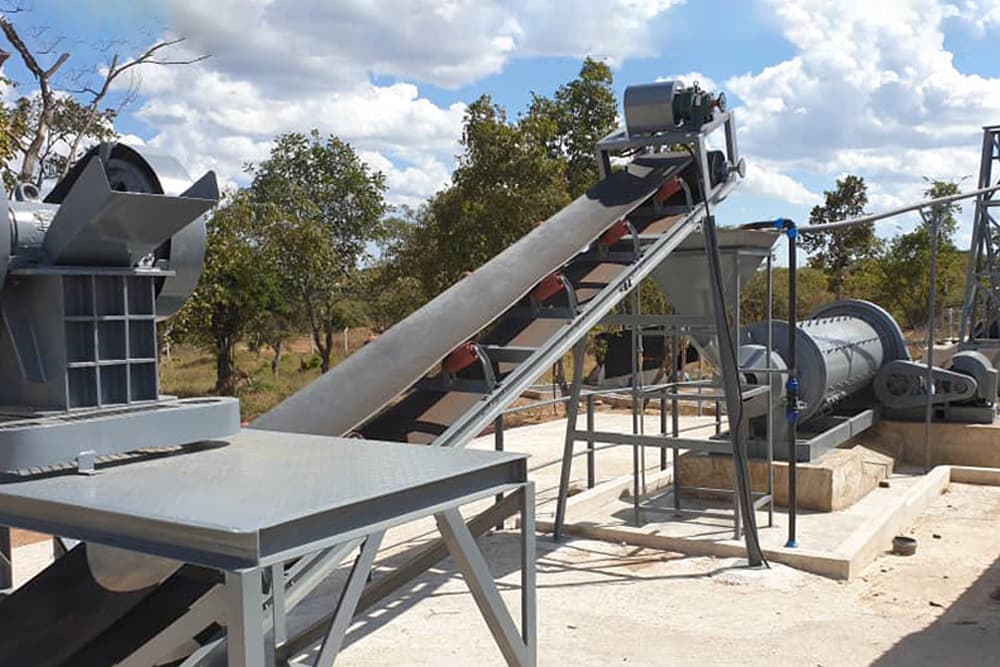
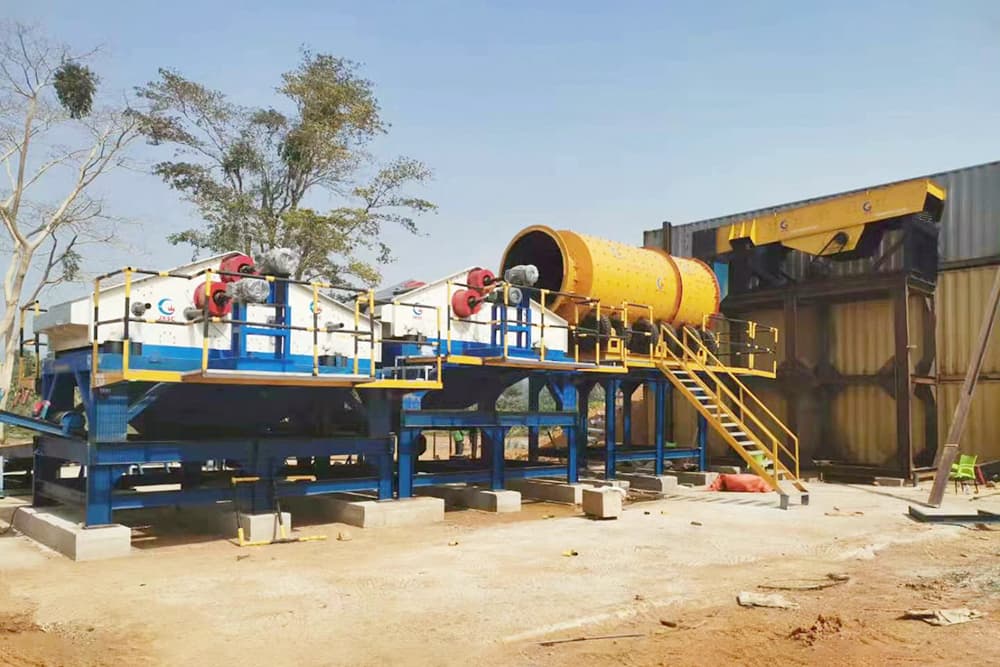
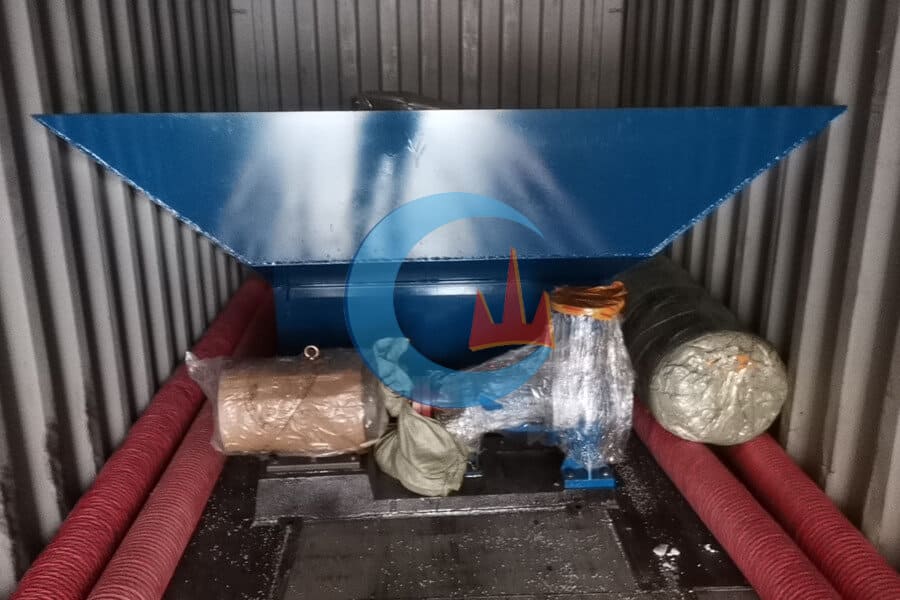
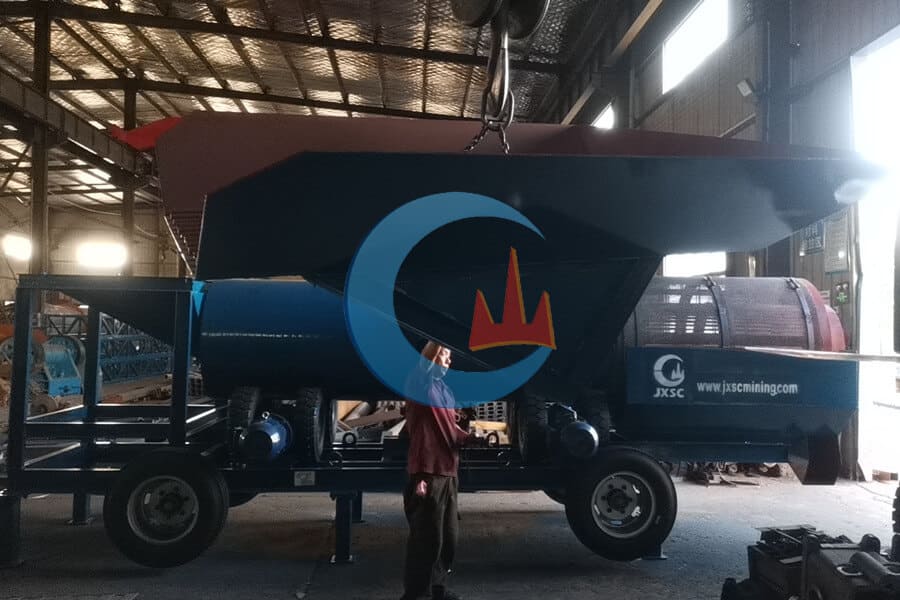
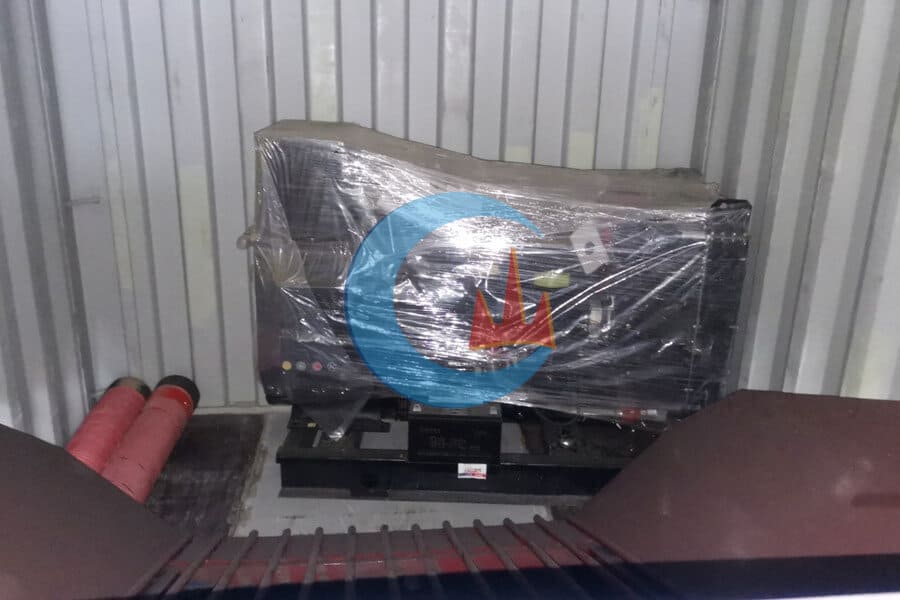
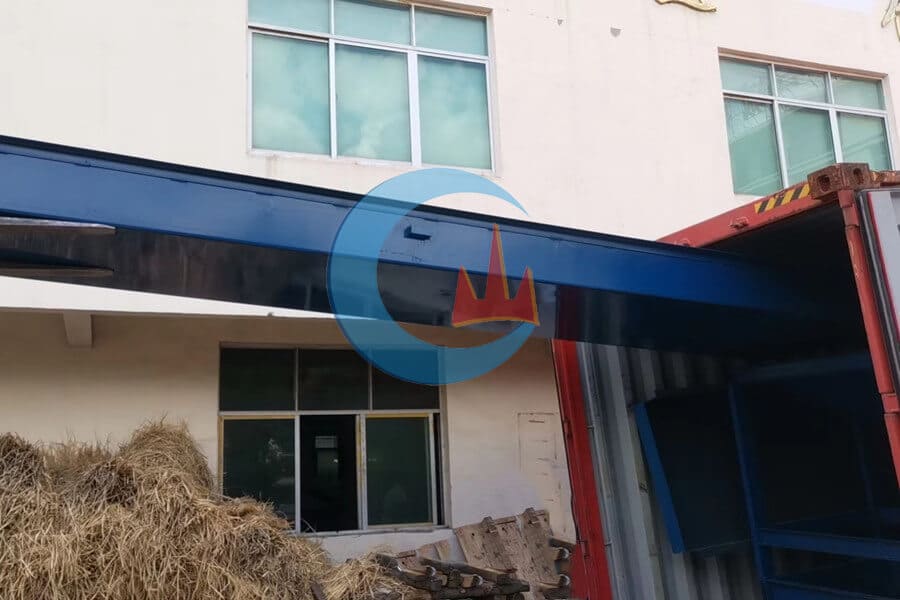
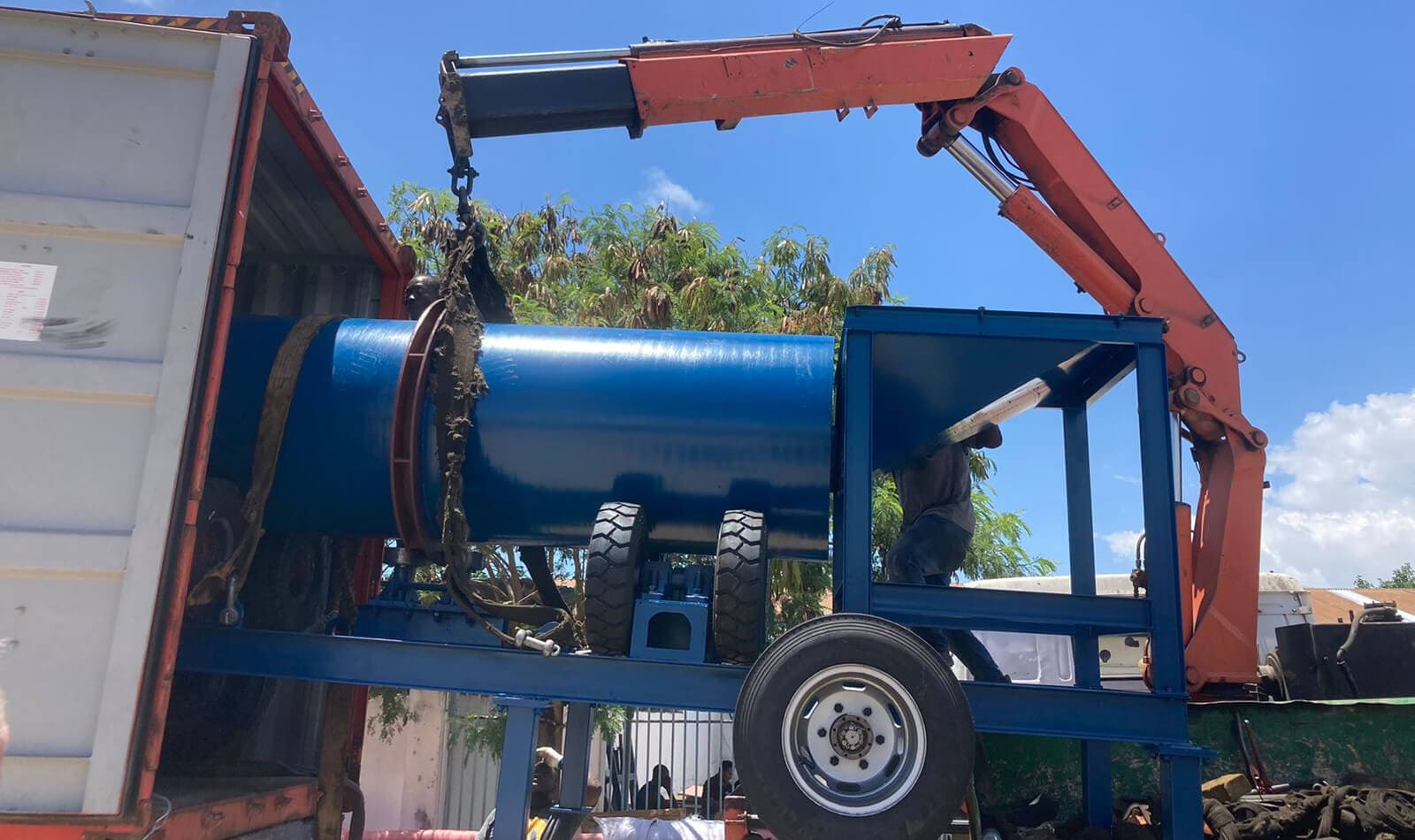
JXSC has provided a complete set of processing plant machines & all accessories for the Tanzania customer’s 30 tph clay alluvial gold Processing Plant. The client has their own engineering team for setting up this plant, so no requirement for our engineer site service. We offer the detailed layout design with base construction drawings accordingly.
Client Background and Requirements
Our Tanzania client operates a mine processing alluvial gold deposits characterized by sticky clay and sizable stones (with gold particle sizes predominantly ranging from 0- 6 mm and occasional nuggets up to 20mm). They require a complete 30 TPH gold recovery plant.
Technical Requirements
1. Material Composition
- High sticky clay content, requiring efficient scrubbing and separation.
- Presence of large stones necessitating robust primary screening/classification.
- Gold distribution: Fine particles (0- 6 mm) + occasional larger nuggets (< 20 mm).
2. Plant Specifications
- Capacity: 30 tonnes per hour (30tph).
- Customized layout and foundation design provided by JXSC to suit local terrain and operational conditions.
- Equipment tailored for clay-rich material (e.g., trommel scrubber).
- No-dewatering challenge addressed through proper sediment control.
3. Client’s Capability
- Self-sufficient in plant installation and commissioning.
- Relies on JXSC for:
- Equipment manufacturing and shipment.
- Technical drawings (foundation/layout designs).
- Remote guidance if needed.
Key Focus
Overcoming clay to ensure high gold recovery.
Balancing efficiency for both fine gold and larger nuggets.
Minimizing manual intervention through automated processes where possible.
Our Process Design & Solution
The process is as follows
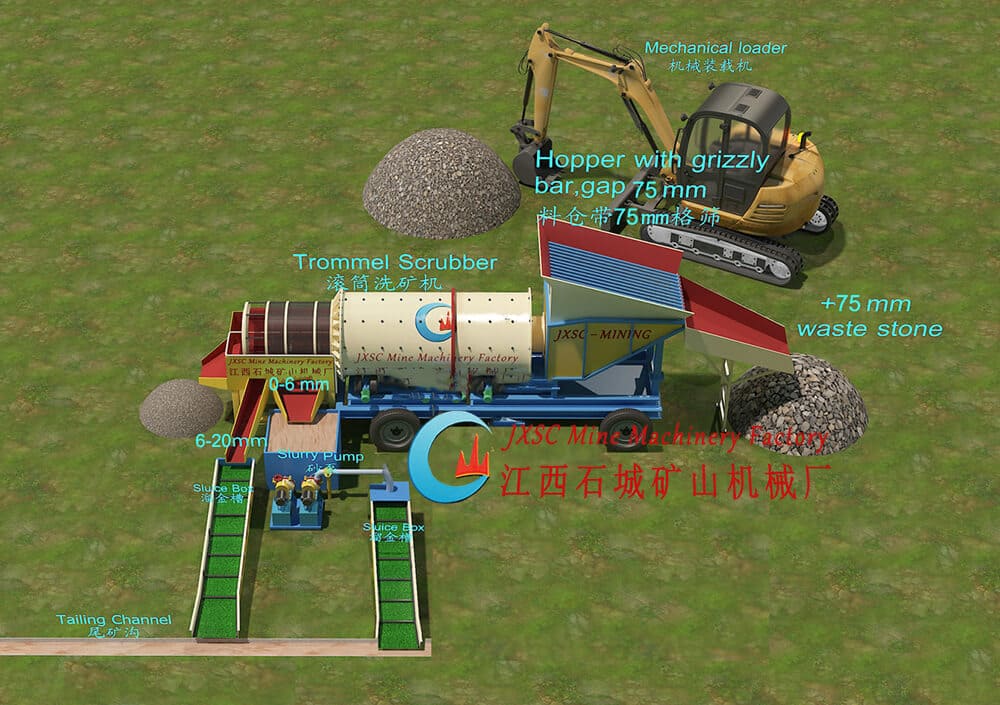
Stage 1: Washing and Screening (Trommel Scrubber & Grizzly)
The 75mm Grizzly Bar: This component acts as the plant’s “bouncer”. By rejecting materials over 75mm to a waste pile immediately, it protects the trommel scrubber from unnecessary wear and prevents oversized rocks from taking up processing space.
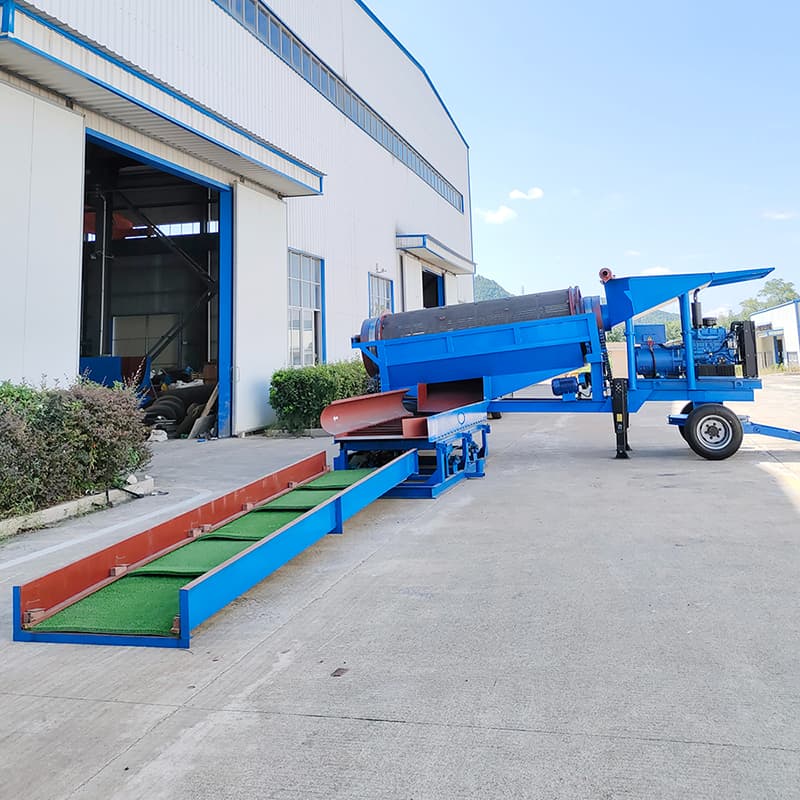
Trommel Scrubber for Clay: In regions like Tanzania, alluvial gold is often found with sticky clay, which creates “mud balls” that can trap gold and carry it into waste piles. A rotary scrubber is the “core equipment” for this challenge because it uses high-energy mechanical force and long retention times to turn solid clay into a liquid slurry, effectively liberating the gold.
Stage 2: Gold Recovery (Sluice Box)
Using the sluice box for the 0- 6 mm and 6- 20 mm materials is a standard method for secondary recovery or capturing coarse gold nuggets.
The Main Machines & Accessories include the following:
| Product Name | Model No. | Quantity (Set) |
| Mobile Trommel Scrubber | JXSC900 | 1 |
| Sluice box | 1×6 m | 2 |
| Water Pump | IS150 | 1 |
| Diesel Generator | 40kw | 1 |
Customer Questions & Our Answers
1. What is the particle size requirement for the feed ore?
The maximum feeding size of the trommel is 100 mm; it has big waste stones over 100 mm. The 100 mm grizzly bar can be installed on the hopper to remove the big waste stones
2. What’s the difference between the trommel scrubber and trommel screen?
The trommel scrubber is for washing the raw materials with much sticky clay; the trommel screen is for washing the raw materials with normal sand and soil.
3. What’s the water consumption of the whole line machines?
The total water consumption will need approx 100 m3 per hour, mainly the feeding water for the trommel scrubber and sluice box.
4. Can you provide the drawing of the machine?
Once we receive your deposit payment, our engineer will design the detailed plant layout drawing and foundation drawing for you, and also each main machine’s drawing & machine operation manual. All the technical support will be provided to assist with the installation.