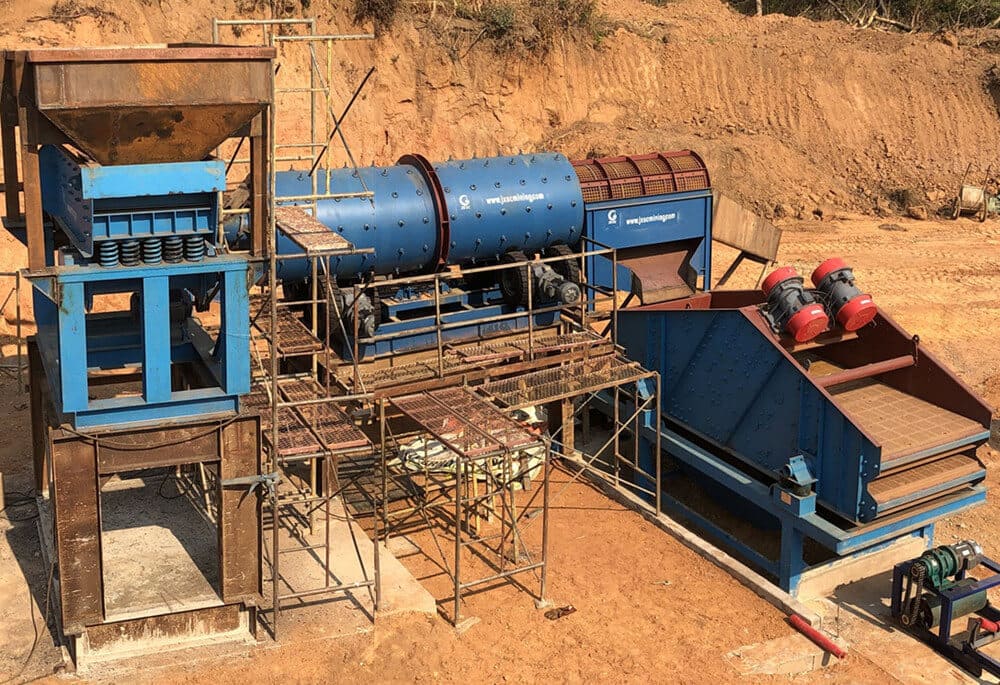
Material: Alluvial Diamond With Sticky Mud
Max Feed Size: 75 mm
Output Size: 2-18 mm
Capacity: 50-80 TPH
Process Description
This 50-80TPH alluvial diamond washing plant is designed for processing alluvial diamond ore in Angola. We offer the detailed layout design with base construction drawings. Our clients have engineers, so they installed the plant themselves.
The raw material contains sticky clay, requiring an efficient washing and screening process to release the diamonds and separate them from waste materials. The diamond particle size ranges from 2 to 18 mm.
Our Process Design & Solution
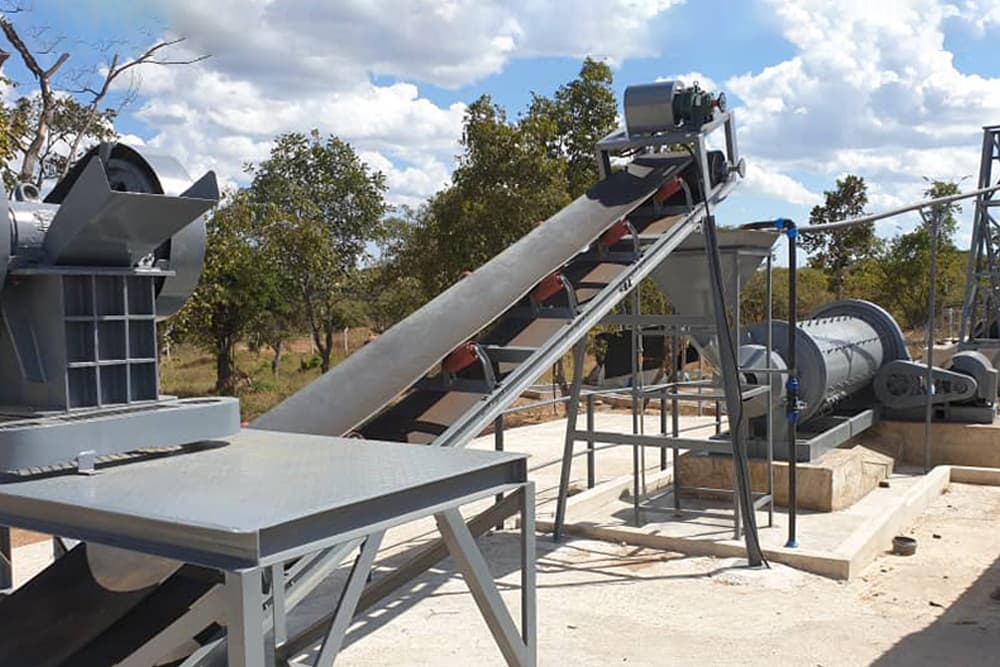
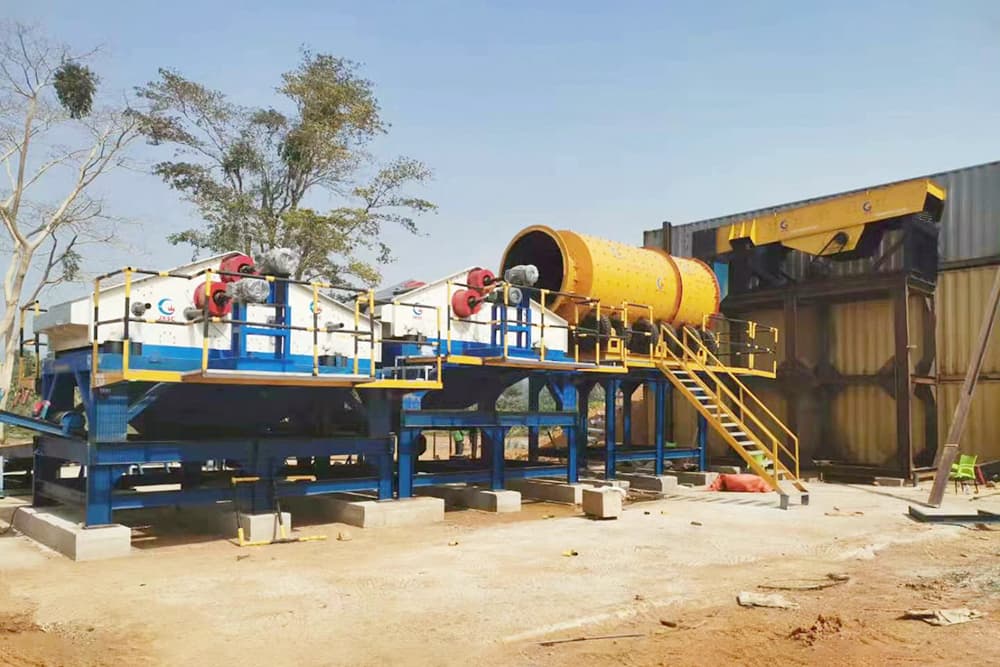
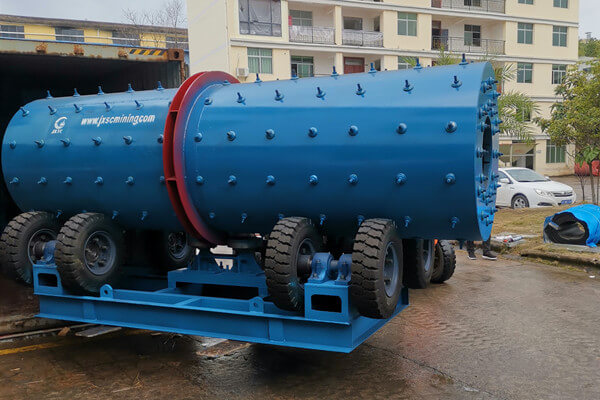
The 50-80tph alluvial diamond washing processing plant is equipped with a vibrating feeder, trommel scrubber, high-frequency vibrating screen, jig separators, and belt conveyors. The complete processing system combines clay washing, size classification, and gravity separation to improve diamond recovery efficiency.
The main processing flow of this 50-80 tph diamond washing plant is as follows:
Raw Ore Feeding → Washing → Screening → classifying → Gravity Separation
1. Raw Material Feeding
A wheel loader or truck feeds the raw alluvial diamond ore into the vibrating feeder. The feeder is equipped with a 75mm grizzly bar screen to remove oversized rocks.
- Material larger than 75mm is separated by the grizzly bars and transported to a stockpile by belt conveyor.
- Material smaller than 75mm is evenly fed into the trommel scrubber for further washing and screening.
2. Trommel Scrubber Washing and Screening
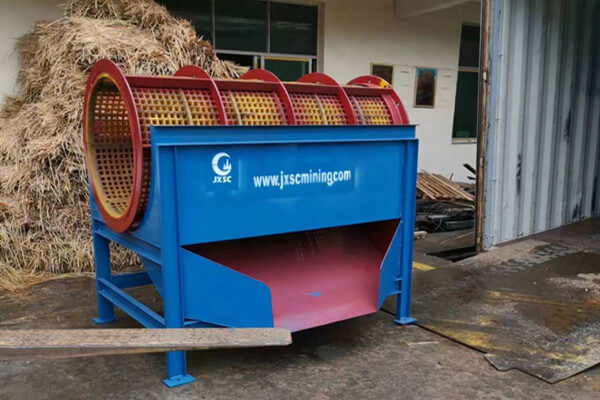
The 0-75 mm material enters the trommel scrubber, where it is thoroughly washed and disintegrated to break down sticky clay and release diamonds trapped in the clay.
The trommel scrubber is equipped with 2mm and 30mm screen sections to classify the washed material into three size fractions:
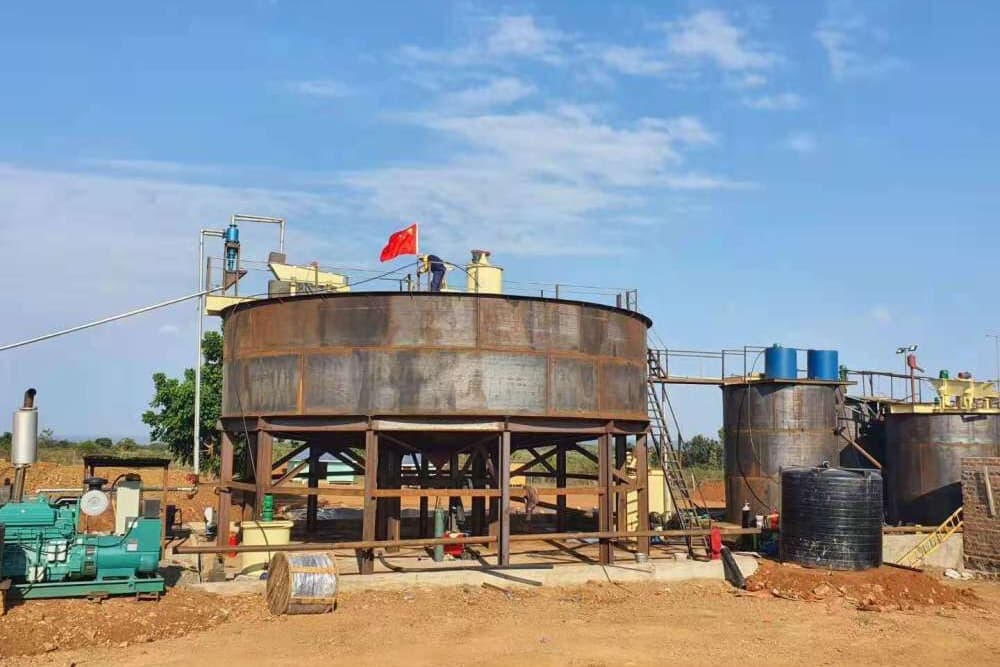
- 0-2 mm fine material flows into the sedimentation tank for further treatment.
- 2-30 mm material is discharged onto the high-frequency vibrating screen for secondary washing and screening.
- Material larger than 30mm is discharged and transported to a stockpile by conveyor belt.
3. High-Frequency Vibrating Screen Classification
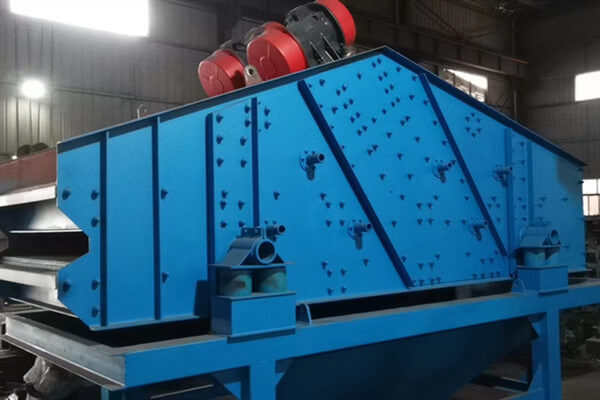
The 2-30 mm material is fed into the high-frequency vibrating screen for further washing and precise size classification.
The screen is equipped with 8mm and 18mm mesh panels, dividing the material into three size fractions:
- 2-8 mm material is sent to the first jig separator.
- 8-18 mm material is sent to the second jig separator.
- 18-30 mm material is transported to a stockpile by belt conveyor, as this size fraction does not contain target diamonds according to the ore characteristics.
4. Jig Separator Gravity Separation
The 2-8 mm and 8-18 mm materials are processed separately by two jig separator machines. Processing the different particle-size fractions independently helps achieve better separation efficiency and diamond recovery.
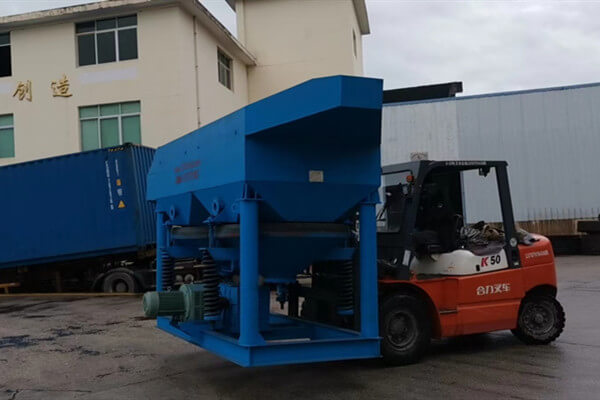
The jig separators use gravity separation technology to separate high-density diamond particles from lighter waste materials.
The diamond concentrate is collected above the jig screen, while lighter waste materials are discharged separately.
5. Diamond Concentrate Collection
The diamond-rich concentrates from the jig separators are collected for subsequent cleaning, inspection, and hand sorting to obtain the final diamond product.
The combination of trommel scrubbing, multi-stage screening, and jig gravity separation provides an efficient solution for processing sticky-clay alluvial diamond ore in Angola.
The Main Machines & Accessories Include The Following:
- Vibrating Feeder
- Trommel Scrubber
- Belt Conveyors
- Vibrating Screen
- Water Pumps
- Jig Separator