Gold flotation is an important mineral processing method used to recover fine-grained gold and gold-bearing sulfide minerals from ores. However, the flotation performance of gold particles varies significantly depending on their physical properties, surface characteristics, mineral associations, pulp conditions, and reagent systems.
The main factors affecting gold particle floatability include particle size, particle shape, surface oxidation, gold occurrence, associated minerals, pulp pH, pulp concentration, slime content, water quality, and flotation reagents. These factors influence the hydrophobicity of gold particles, their interaction with collectors, and their attachment to air bubbles, ultimately determining gold flotation recovery and concentrate grade.
Understanding these factors is essential for optimizing flotation conditions, improving gold recovery, reducing reagent consumption, and achieving efficient mineral separation.
1. Gold Particle Properties Affecting Floatability
The physical and chemical properties of gold particles directly influence their flotation behavior. Particle size, shape, surface condition, and impurity composition are particularly important.
(1) Gold Particle Size
Particle size is one of the most important factors affecting gold flotation recovery. Fine gold particles generally exhibit better floatability than coarse gold particles because their attachment to air bubbles is more favorable under appropriate flotation conditions.
The relationship between gold particle size and floatability can be summarized as follows:
Gold Particle Size | Floatability | Approximate Flotation Performance |
+0.8 mm | Extremely difficult to float | Almost no flotation recovery |
-0.8 mm +0.4 mm | Poor floatability | Approximately 5%–6% recovery |
-0.4 mm +0.25 mm | Moderate floatability | Approximately 25% recovery |
-0.25 mm | Good floatability | Recovery can reach approximately 96% |
These figures are indicative values reported under particular experimental or processing conditions. Actual recovery depends on ore characteristics, particle liberation, reagent systems, and flotation equipment.
In general, gold particles larger than approximately 0.4 mm are difficult to recover efficiently through conventional flotation. Therefore, gravity separation, amalgamation where legally and environmentally permitted, or other suitable preconcentration methods may be used to recover coarse gold before flotation.
(2) Gold Particle Shape
Gold particle shape also has a significant influence on floatability.
- Flaky and flat gold particles: Generally exhibit better flotation performance because their shape can increase the probability of bubble attachment.
- Nodular gold particles: Often show relatively good floatability.
- Spherical gold particles: Generally have poorer floatability under comparable conditions because their bubble attachment behavior differs from that of flat particles.
Particle shape influences the contact area between gold particles and air bubbles, as well as the stability of particle-bubble aggregates.
(3) Gold Surface Characteristics and Oxidation
The surface condition of gold particles directly affects their hydrophobicity and collector adsorption.
Clean natural gold surfaces generally exhibit a certain degree of natural hydrophobicity, which helps gold particles attach to air bubbles.
However, when gold surfaces become contaminated by iron oxides, oxidation products, or other hydrophilic substances, their floatability can decrease significantly.
Surface oxidation and contamination may:
- Reduce the hydrophobicity of gold particles.
- Interfere with collector adsorption.
- Increase the difficulty of particle-bubble attachment.
- Reduce flotation recovery.
For oxidized gold particles, improving reagent contact time and selecting suitable collectors, including chelating collectors where appropriate, may help improve flotation performance.
(4) Gold Occurrence and Impurity Composition
Gold occurrence is another important factor affecting flotation performance.
Gold may occur in several forms:
- Free or liberated natural gold.
- Gold associated with pyrite and other sulfide minerals.
- Gold enclosed within gangue minerals.
- Fine gold particles disseminated throughout the ore.
Free gold can be recovered directly when its particle size and surface conditions are suitable. However, gold enclosed within sulfide or gangue minerals requires sufficient grinding and liberation before effective flotation separation can occur.
Natural gold may also contain impurities such as silver and copper, which can change its surface properties and flotation behavior. In addition, iron oxide contamination on gold surfaces can significantly reduce floatability.
2. Pulp Conditions Affecting Gold Floatability
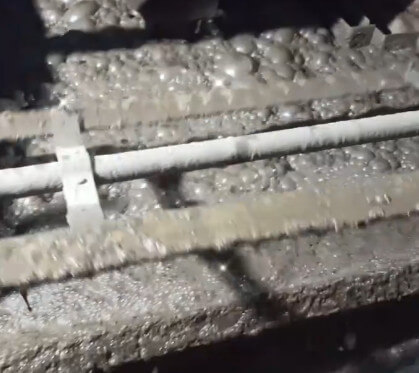
Flotation pulp conditions influence the chemical environment, particle dispersion, reagent performance, and particle-bubble collision efficiency.
(1) Pulp pH
Pulp pH is an important operating parameter in gold flotation.
A pH of approximately 7.9 has been reported as a favorable condition for natural gold flotation. In practice, the optimum pH depends on gold occurrence, associated sulfide minerals, and the selected reagent system.
Lime is commonly used as a pH regulator in mineral processing. However, excessive lime addition may suppress gold-bearing pyrite and, to some extent, natural gold.
For this reason, soda ash (Na₂CO₃) is sometimes used as an alternative pH regulator in gold flotation.
Maintaining an appropriate pH helps control mineral surface chemistry and improve the selectivity of gold flotation.
(2) Pulp Concentration
Pulp concentration affects the collision and attachment probabilities between gold particles and air bubbles.
Relatively high pulp concentrations may improve the recovery of coarse gold particles under suitable operating conditions. For example, a liquid-to-solid ratio of approximately 2.5:1 has been reported as beneficial for coarse gold flotation.
However, excessively high pulp concentration may increase slurry viscosity, restrict bubble movement, and reduce flotation efficiency.
Therefore, the optimum pulp concentration should be determined through flotation tests according to ore properties and equipment characteristics.
(3) Slime Content
Slimes are an important factor that can negatively affect gold flotation.
Common harmful slime components include:
- Clay minerals.
- Talc and mica.
- Carbonaceous materials.
- Iron and manganese oxides.
Different types of slimes affect gold flotation in different ways.
Clay slimes: Fine clay particles may coat gold surfaces, preventing collectors from contacting the gold particles and reducing their hydrophobicity.
Iron and manganese oxide slimes: These materials may increase reagent consumption and coat gold particle surfaces, resulting in lower gold recovery.
Talc and mica: These naturally floatable or easily entrained minerals may enter the froth and reduce gold concentrate grade.
Starch and sodium silicate (water glass) may be used in appropriate quantities to control slime-related problems, disperse fine particles, and improve flotation selectivity.
(4) Water Quality and Dissolved Ions
Dissolved ions in flotation water can affect mineral surface properties and reagent performance.
For example, iron ions may activate certain silicate gangue minerals, increasing their tendency to float and contaminating the gold concentrate.
Soda ash can be added under suitable conditions to precipitate certain dissolved metal ions, helping reduce their adverse effects on flotation selectivity.
In addition, when lime is present in the pulp, contact with carbon dioxide in the air may promote calcium carbonate precipitation. Such precipitates can adversely affect natural gold flotation.
Therefore, water chemistry and dissolved ion concentrations should be considered when designing a gold flotation process.
3. Associated Minerals Affecting Gold Flotation
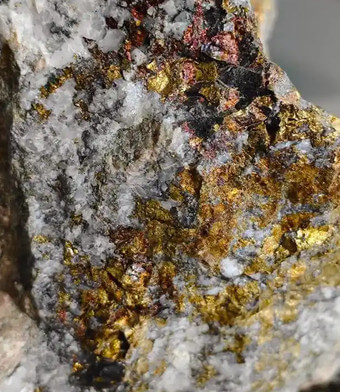
The mineral composition of gold ore has a direct influence on gold recovery because gold is frequently associated with sulfide minerals and other gangue components.
(1) Gold-Bearing Sulfide Minerals
Pyrite and arsenopyrite are common gold-associated sulfide minerals.
Gold may occur as:
- Free gold attached to sulfide mineral surfaces.
- Fine gold inclusions within sulfide particles.
- Microscopic or submicroscopic gold incorporated into sulfide mineral structures.
When gold is associated with sulfide minerals, flotation can recover gold indirectly by floating the gold-bearing sulfides.
However, the presence of excessive sulfide minerals may increase collector consumption and complicate concentrate separation.
The grinding fineness, liberation degree, collector selection, and flotation conditions should therefore be optimized according to the mineralogical characteristics of the ore.
(2) Carbonaceous Materials
Carbonaceous materials can negatively affect gold flotation through surface coating and reagent adsorption.
Their main effects include:
- Adsorbing flotation collectors and reducing reagent availability.
- Coating gold particle surfaces and interfering with collector adsorption.
- Increasing the flotation of unwanted carbonaceous materials.
- Reducing gold concentrate grade.
For ores containing significant carbonaceous matter, appropriate carbon-control measures and selective reagent systems may be required to minimize these effects.
4. Flotation Reagents Affecting Gold Particle Floatability
Flotation reagents directly modify mineral surface properties and determine gold flotation selectivity and efficiency.
The main reagent categories include collectors, activators, depressants, pH regulators, and frothers.
(1) Collectors
Collectors improve the hydrophobicity of gold particles and gold-bearing sulfide minerals, promoting their attachment to air bubbles.
Common collectors used in gold flotation include:
- Specialized gold flotation collectors.
- Combined collector systems.
Potassium amyl xanthate and other xanthate collectors are commonly used in gold-bearing sulfide flotation.
Dithiophosphate collectors may also be used in combination with xanthates to improve collection performance and flotation selectivity.
For free gold, relatively strong collectors or specialized chelating collectors may be considered when natural surface hydrophobicity is insufficient.
Collector selection should be based on gold occurrence, surface oxidation, associated sulfide minerals, and flotation test results.
(2) Activators
Activators improve the flotation response of specific minerals by modifying their surface properties and promoting collector adsorption.
Copper sulfate (CuSO₄) is a commonly used activator in sulfide mineral flotation.
Depending on ore mineralogy and reagent conditions, it may improve the flotation response of gold-bearing sulfide minerals and contribute to higher gold recovery.
However, excessive activator addition may negatively affect flotation selectivity and froth behavior. Its dosage should therefore be determined through laboratory testing.
(3) Depressants
Depressants are used to prevent unwanted minerals from entering the flotation concentrate.
Common depressants and dispersing agents include:
- Sodium silicate (water glass).
- Other selective gangue depressants.
Sodium silicate can help disperse fine slimes and suppress certain silicate gangue minerals. Starch may also be used to control specific slime and gangue components.
However, excessive depressant addition may interfere with gold particle flotation or collector adsorption. Therefore, reagent dosage must be carefully controlled.
(4) Frothers
Frothers stabilize the froth layer and help transport floated particles to the concentrate launder.
For natural gold flotation, sufficient froth stability is particularly important, especially during the final stages of flotation when the remaining gold particles may be more difficult to recover.
Appropriate frother dosage, vigorous but controlled agitation, a suitable pulp level, and timely froth removal can help improve gold recovery.
Conclusion & Optimization Strategies
Effective gold flotation requires a systematic approach that addresses all critical factors affecting particle floatability. To optimize gold recovery and concentrate grade, the following key strategies should be implemented:
- Controlled particle size(grind to 80% passing 0.25 mm).
- Slurry pH optimization(7–9, preferably with Na₂CO₃).
- Targeted reagent schemes(strong collectors + selective frothers).
- Slime & sulfide management(depressants like water glass).
By addressing these key factors, gold flotation plants can achieve higher recoveries and concentrate grades.
Final Recommendation: Conduct detailed mineralogical analysis and locked-cycle flotation tests to tailor these strategies to your specific ore type. By balancing particle liberation, reagent efficiency, and hydrodynamic conditions, gold flotation plants can achieve recoveries exceeding 90% for amenable ores while minimizing operating costs.