September 2026

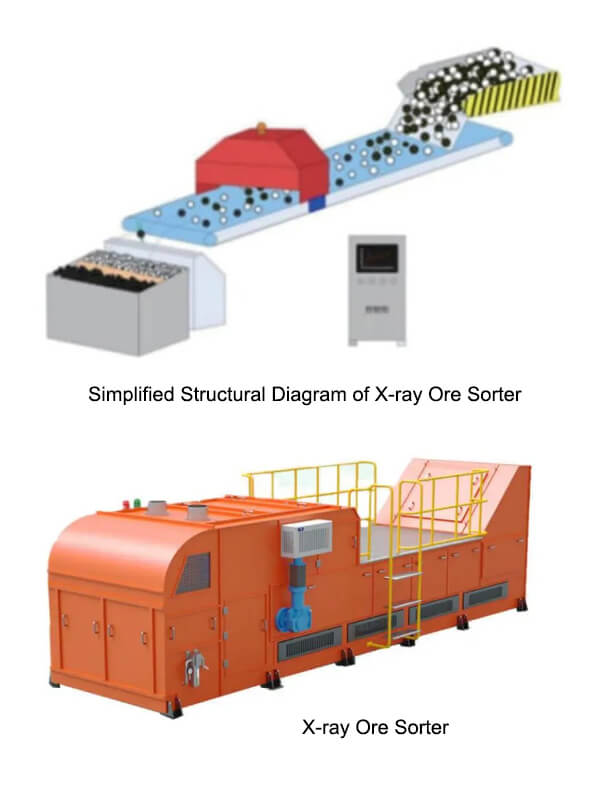
X-ray Ore Sorter

What is XRT Intelligent Sorting Technology?

Have you ever wondered how modern mining operations efficiently separate valuable minerals from waste rock? The answer lies in XRT sorting technology – a game-changing method that’s transforming mineral processing. XRT (X-ray Transmission) sorting technology uses X-ray absorption differences to identify and separate materials based on their atomic density, allowing precise ore sorting without chemicals

What is XRT Intelligent Sorting Technology? Read More »
Sulfide Copper Flotation

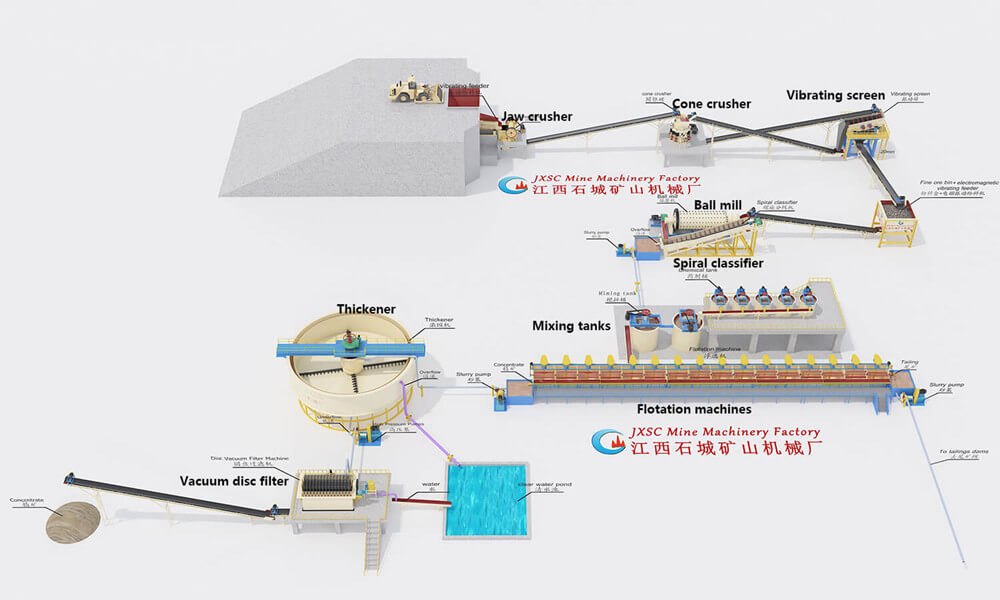
Copper Oxide Ore Processing Plant: Process and Equipment Guide

If you have a copper oxide ore deposit and are planning to build a copper processing plant, the first questions are usually: What is the oxidation rate of the ore? Which processing method is suitable? What equipment is required? What metallurgical tests should be conducted before plant design? No single copper oxide processing flowsheet suits every

Copper Oxide Ore Processing Plant: Process and Equipment Guide Read More »

Lazulite

Beneficiation Guide for Lazulite, Iron-Lazulite, Alunogen & Barytocalcite

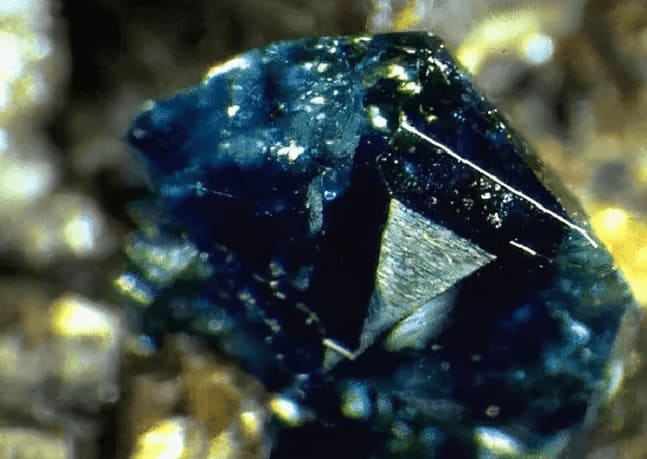
Lazulite, iron-lazulite, alunogen, and triclinic barytocalcite are relatively uncommon minerals with distinct chemical compositions, crystal structures, physical properties, and geological occurrences. Lazulite and iron-lazulite are phosphate minerals mainly associated with metamorphic and phosphate-rich geological environments, whereas alunogen is a highly hydrated aluminum sulfate commonly formed under acidic and oxidizing conditions. Triclinic barytocalcite is a barium-calcium carbonate mineral that typically occurs in hydrothermal environments. The beneficiation of minerals is a complex process requiring tailored approaches based

Beneficiation Guide for Lazulite, Iron-Lazulite, Alunogen & Barytocalcite Read More »

structure to flotation

How Does Crystal Structure Control Flotation via Surface Bonds?

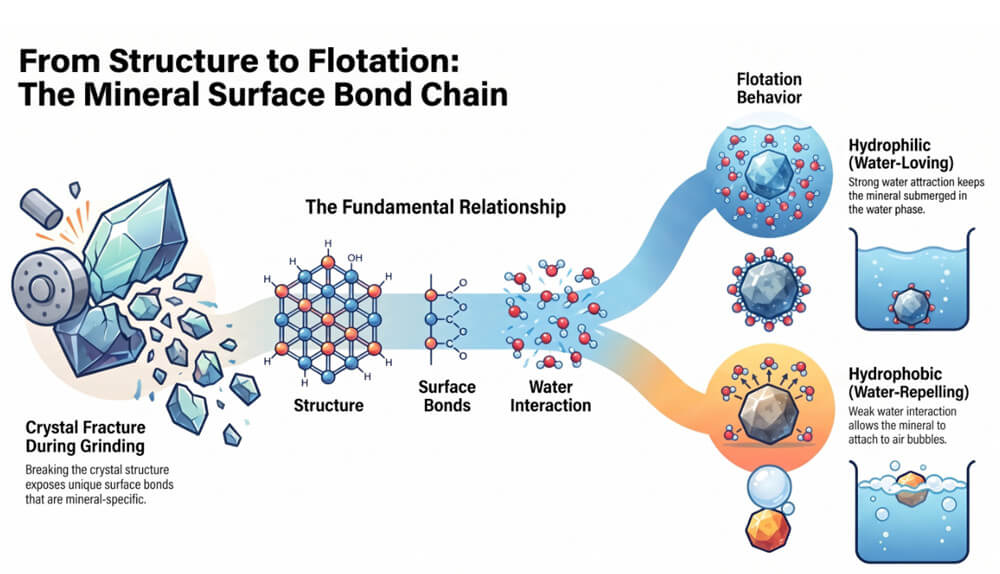
Mineral flotation is strongly influenced by crystal structure and the type of chemical bonds exposed on a mineral surface. When a mineral is crushed or ground, its crystal lattice is broken and new surfaces are created. These surfaces may expose ionic bonds, covalent bonds, metallic bonds, or weaker molecular forces, which determine how strongly water interacts

How Does Crystal Structure Control Flotation via Surface Bonds? Read More »

heap leaching & CIL

How To Choose Heap Leaching and CIL?

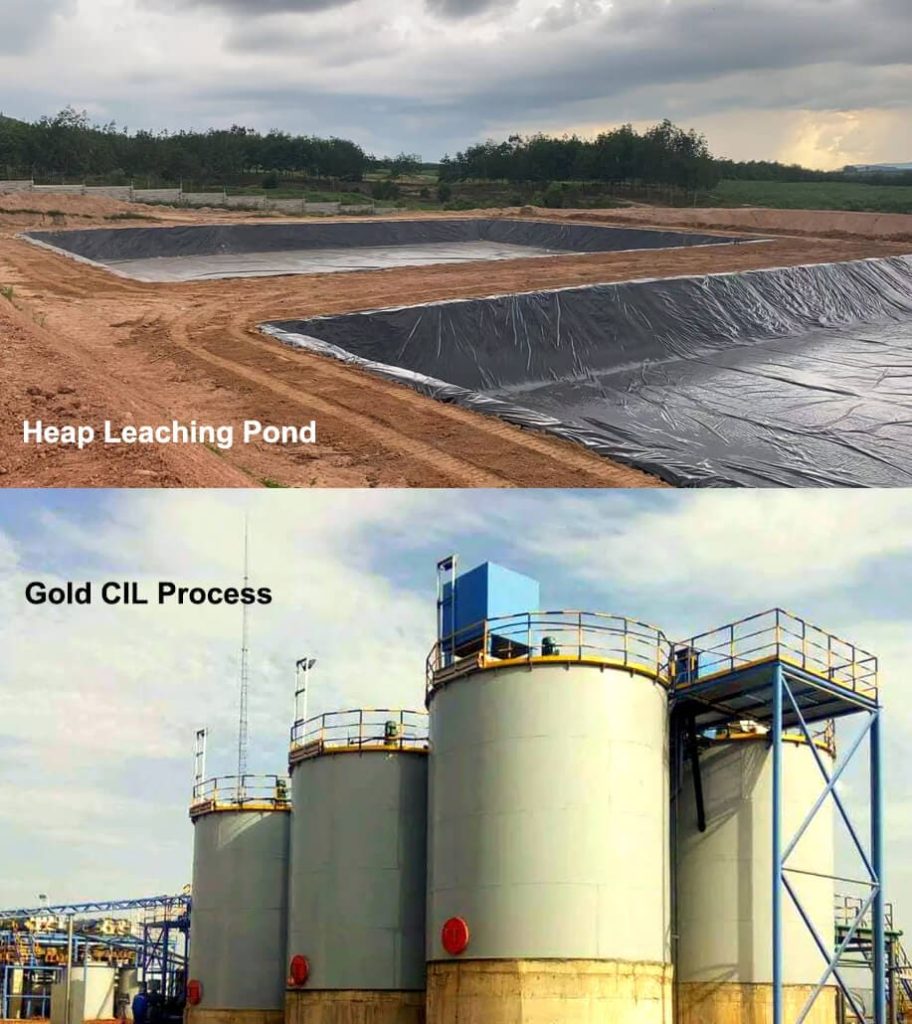
Gold miners often struggle with choosing between heap leaching and carbon-in-leach (CIL). The wrong choice can cost millions in lost gold. I’ve seen operations bleed profits simply because they didn’t match the process to their ore type. Heap leaching suits low-grade, oxidized ores with simple mineralogy, offering lower upfront costs. Carbon-in-leach works better for high-grade

How To Choose Heap Leaching and CIL? Read More »

Scroll to Top
Privacy Overview
Mining Equipment Supplier-JXSC

This website uses cookies so that we can provide you with the best user experience possible. Cookie information is stored in your browser and performs functions such as recognising you when you return to our website and helping our team to understand which sections of the website you find most interesting and useful.

Strictly Necessary Cookies

Strictly Necessary Cookie should be enabled at all times so that we can save your preferences for cookie settings.

Analytics

This website uses Google Analytics to collect anonymous information such as the number of visitors to the site, and the most popular pages.

Keeping this cookie enabled helps us to improve our website.